The many costs of heat
and water

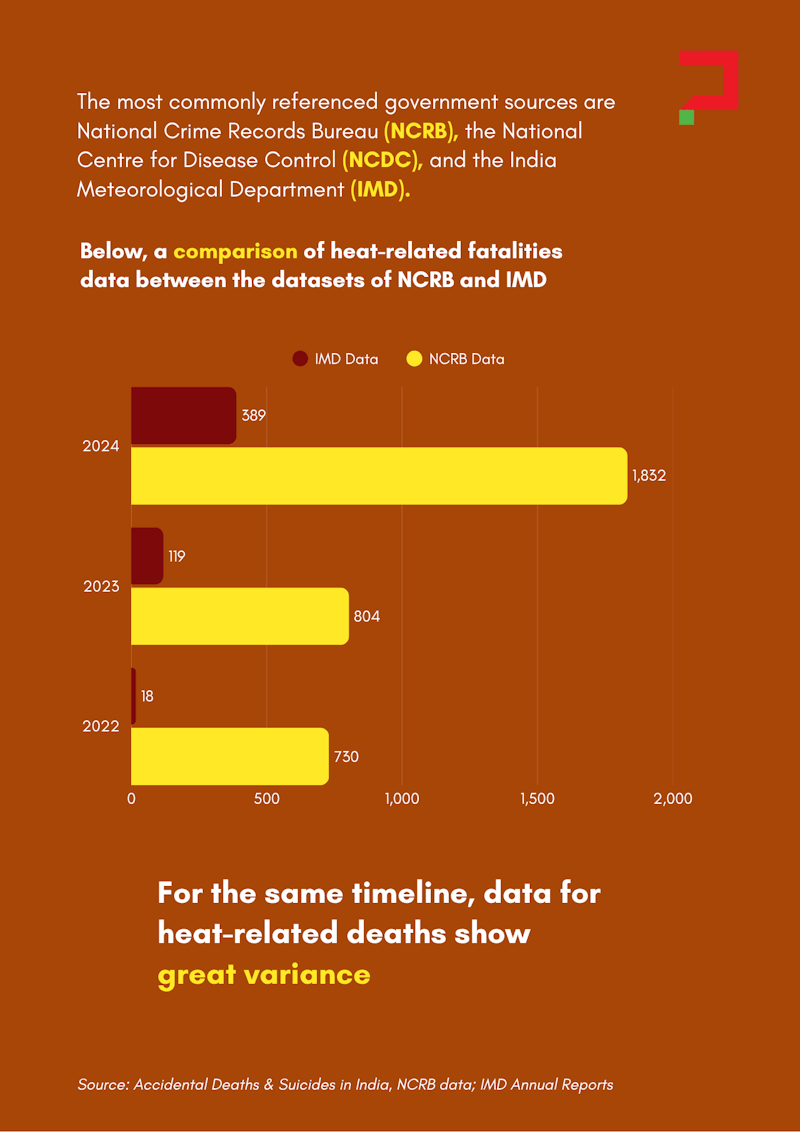
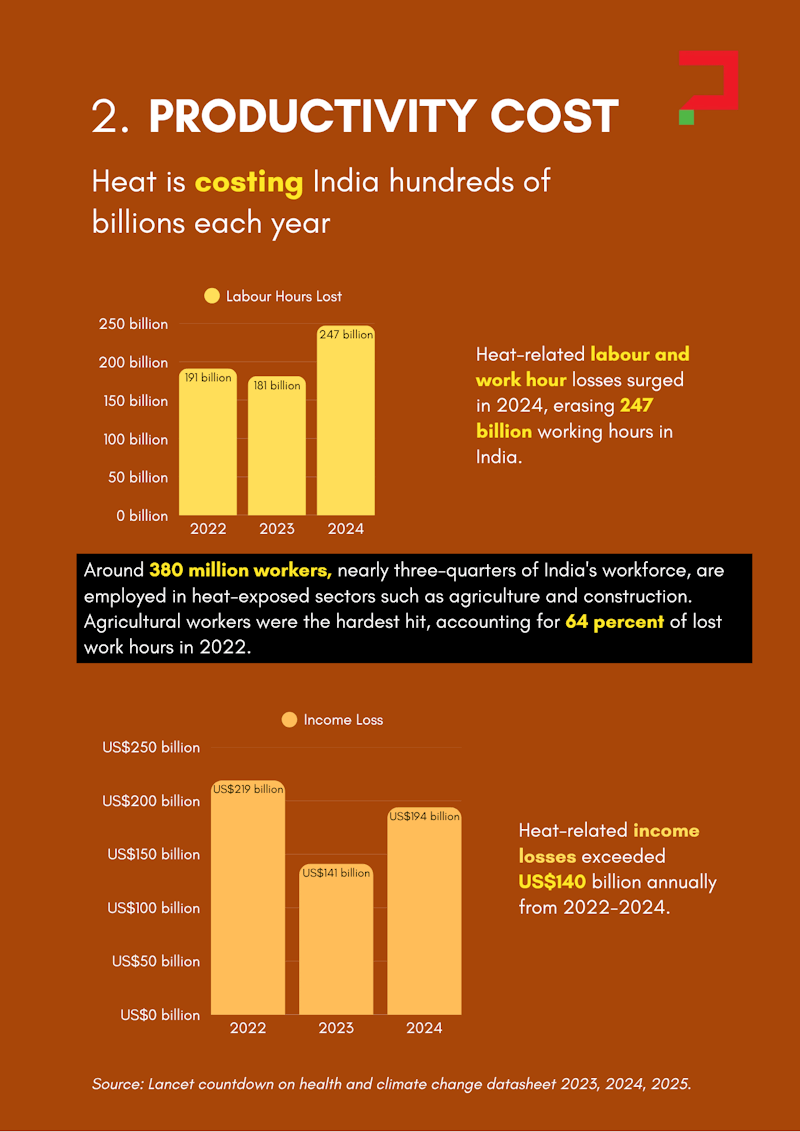
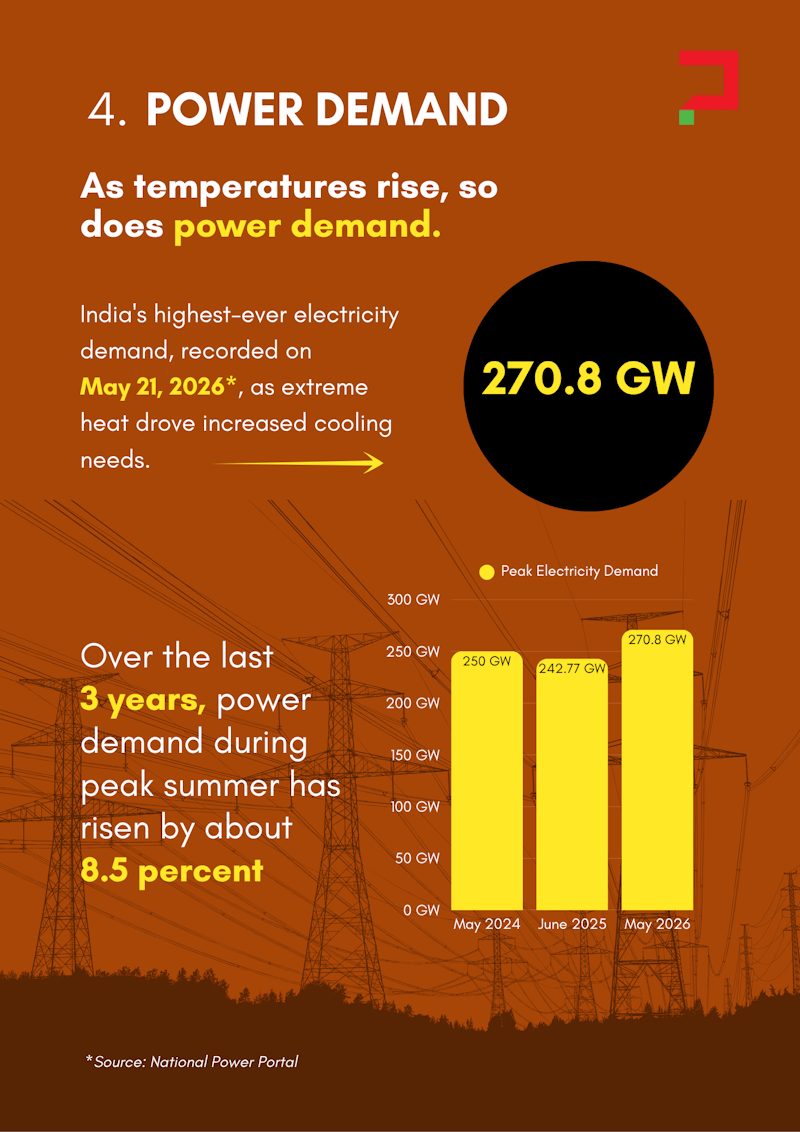
Extreme heat is emerging as one of India’s most significant climate risks, with impacts that extend beyond just rising temperatures. Heat affects health, in turn affects labour productivity, as well as agriculture, energy systems, and water security, all the while increasing the cost of everyday life.

As hotter conditions become more frequent and prolonged, the pressure on households, workers, public services and mainly, natural resources will only continue to grow.

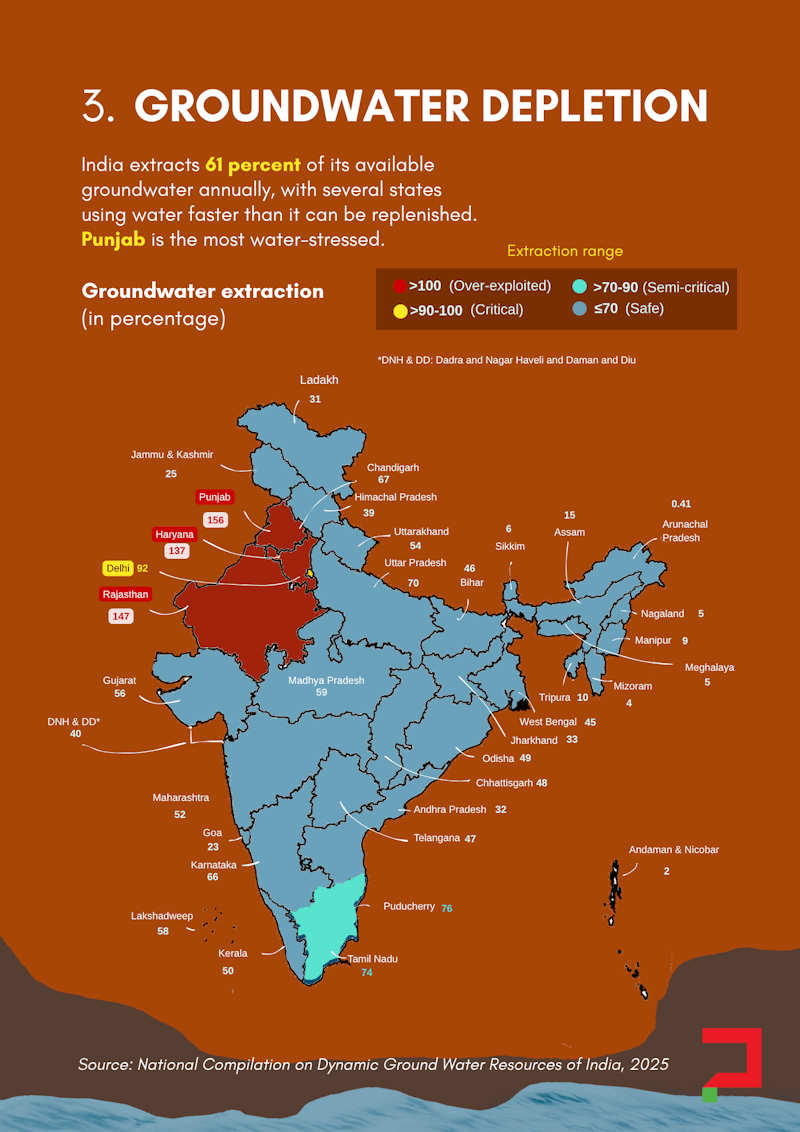
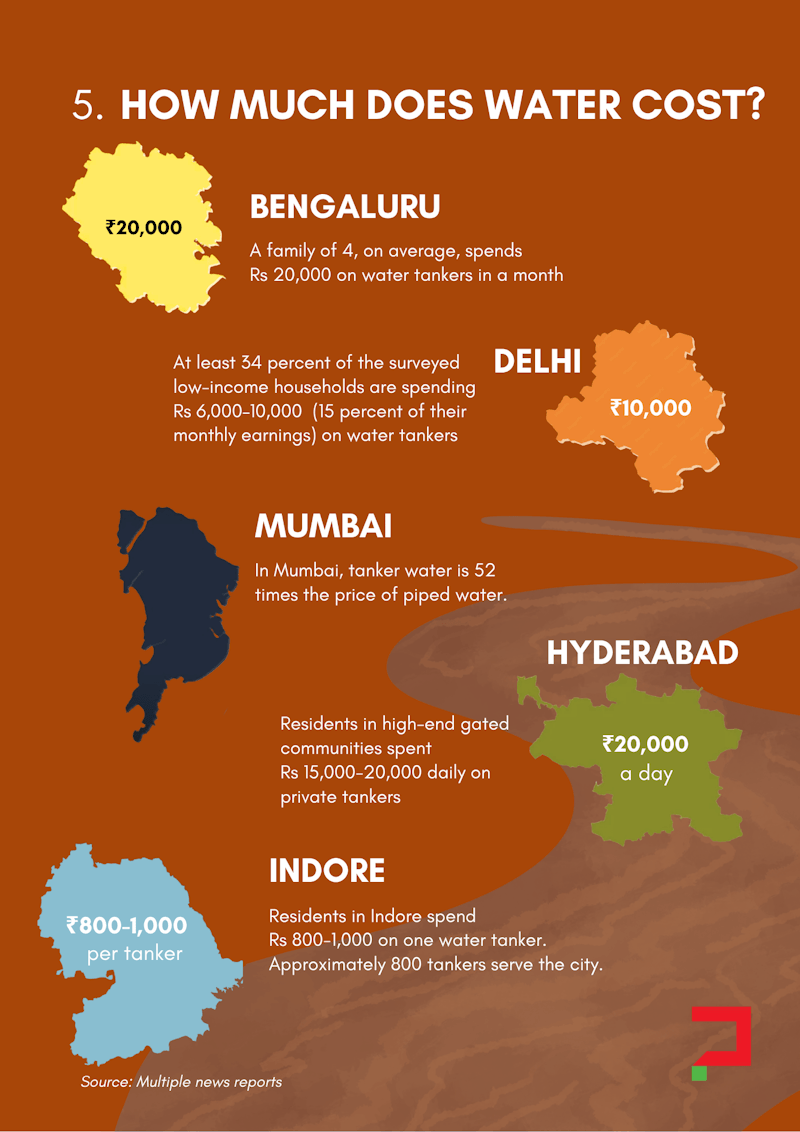
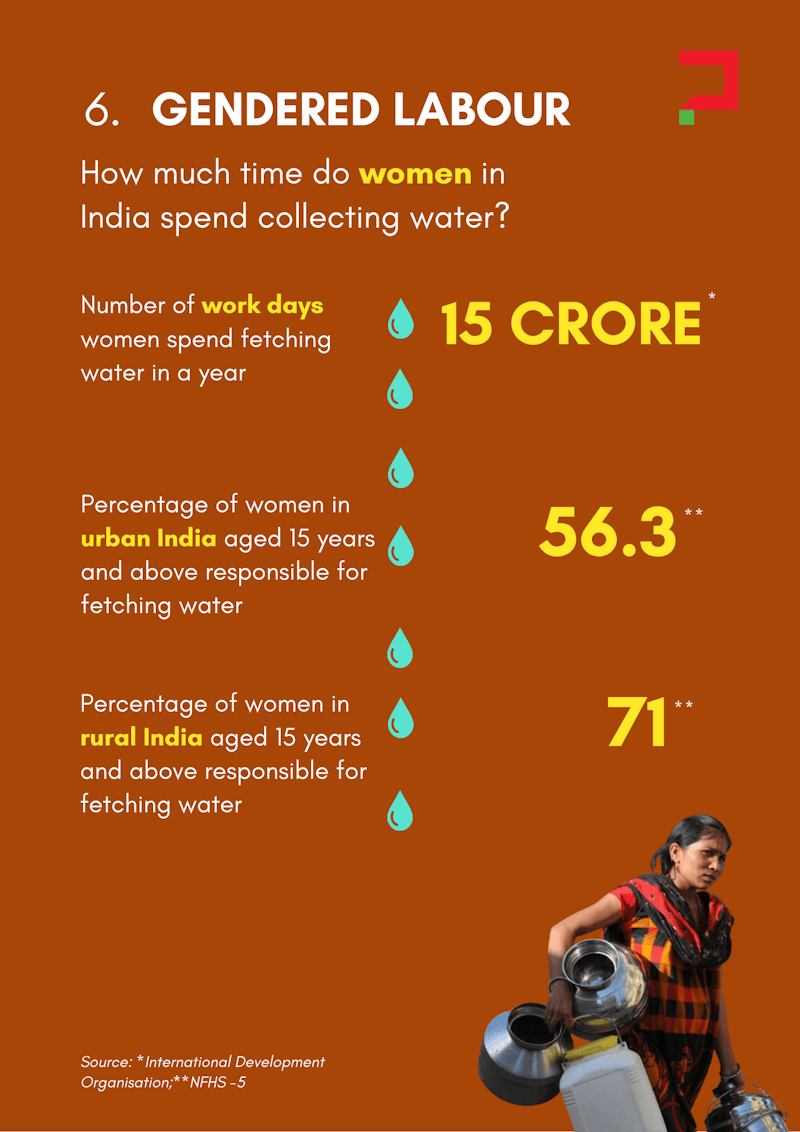
Water is among the most visible casualties of extreme heat, as per recent trends.[1] Higher temperatures increase water demand, it accelerates evaporation, strains ground water reserves. This is deepening water shortages in cities and villages alike. This has meant, especially in cities without a reliable piped supply of water,[2] a greater dependence on expensive water tankers, longer hours spent collecting water, as well as a rise in financial burdens.

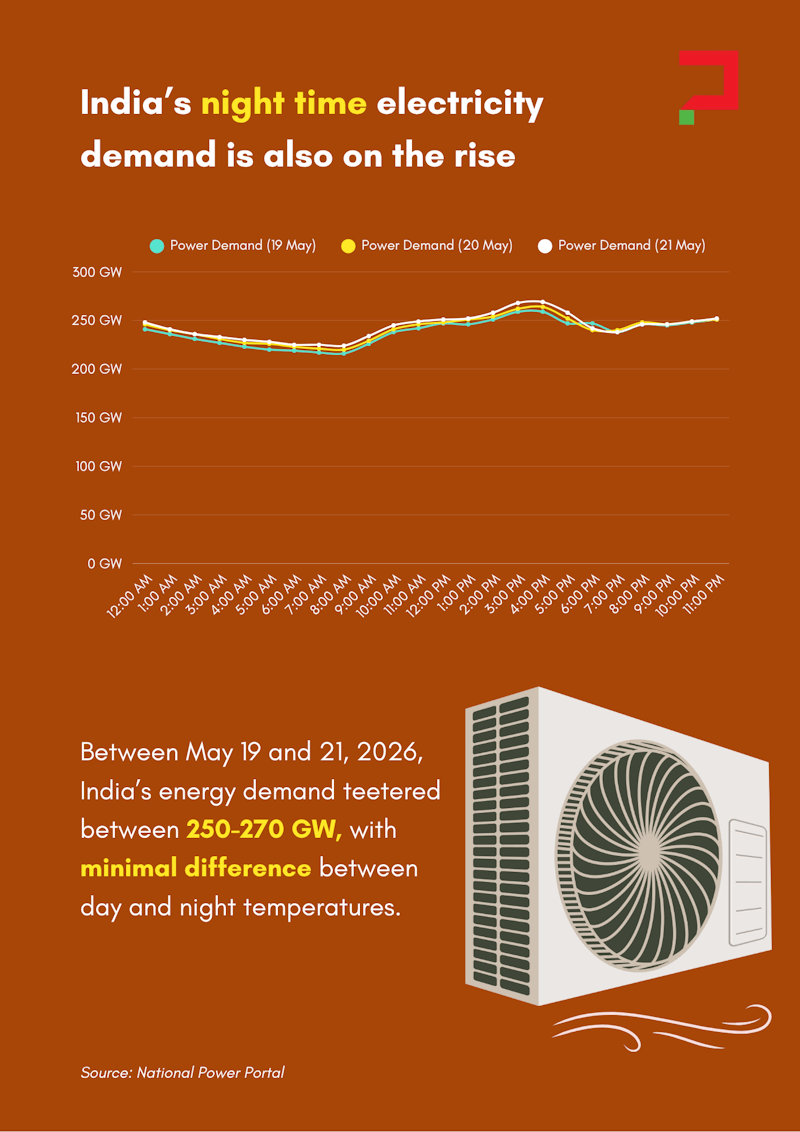
In this Fact Sheet, QoC brings together key data on the human and economic costs of heat, with a particular focus on its links to water stress and access.


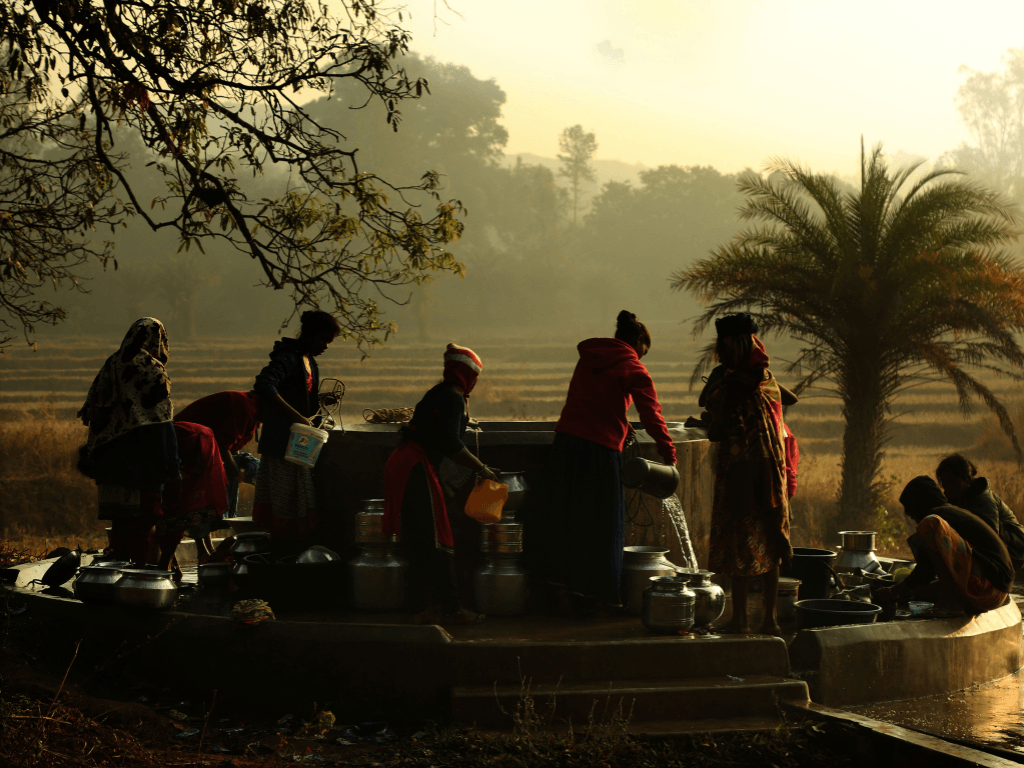
Cover photo: A group of women collecting water from a fountain at dawn in Araku Valley, India. Credit: Ganta Srinivas/Pexels

Ankita Dhar Karmakar, Multimedia Journalist and Social Media in-charge in Question of Cities, has reported and written at the intersection of gender, cities, and human rights, among other themes. Her work has been featured in several digital publications, national and international. She is the recipient of the 4th South Asia Laadli Media & Advertising Award For Gender Sensitivity and the 14th Laadli Media & Advertising Award For Gender Sensitivity. She holds a Master’s degree in English Literature from Ambedkar University, New Delhi.

Leave a Reply

Comments to this article will be moderated for clarity and civility. Your email address will not be published. Required fields are marked*

Your email address will not be published. Required fields are marked *