
The world just experienced its second-hottest May, according to the National Oceanic and Atmospheric Administration (NOAA). In India, temperatures in most cities have crossed 40 degrees Celsius, and are reeling under heat stress and water shortage. An overwhelming majority, over 90 of the 100, hottest cities in the world were found to be in India.[1] According to the World Meteorological Organisation’s projection there is a 75 percent chance that the average global temperature between 2026 and 2030 will exceed 1.5 degrees Celsius above pre-industrial levels. There is also a 91 percent chance that at least one of the next five years will breach that mark individually and 86 percent chance that one of those years will surpass 2024’s record as a hottest year ever recorded.[2]
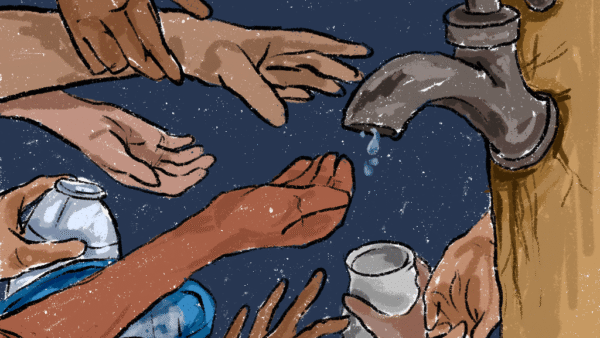
The rising heat has pushed the demand for water but taps and water bodies have run dry. People across India, not only in villages but in cities too, have been struggling to access water. “From the deserts of Rajasthan[3] to the residential towers of cities like Delhi and Lucknow, millions of Indians are discovering that surviving the heat is only half the battle, while finding water to do so is the other,” noted this report.[4] Severe shortages have upended lives and brought the debate back to pricing of water.[5]
The mushrooming data centres in the country are not only guzzling water but also adding to the heat. According to a study by Cambridge-led researchers, land surface temperatures around AI data centres (with effects being felt up to 10 kilometres) rise by an average of 2 degrees Celsius, with some areas recording increases as high as 9 degrees Celsius. Researchers have called this the “data heat island effect”.[6]
The huge number of studies and research on heat point to the drastic effects of rising temperatures on humans and the health risks. Question of Cities has this Compendium of selected reports and studies that examine the impacts of heat, and solutions.

In India, the textile and garment sector employs around 45 million people. In this trade, workers are increasingly exposed to dangerous levels of heat stress in factories which are marked by poor ventilation, awful infrastructure and high production pressures.
This report by Tata Institute of Social Sciences, Mumbai, published in February 2026 documents how extreme heat is affecting garment workers and exposing major gaps in workplace protections. It is based on a survey of 115 garment workers in Tamil Nadu and Delhi-NCR, 47 in-depth interviews, discussions with home-based workers, and factory case studies to examine the intersection of heat, workplace conditions and gendered vulnerabilities.

In this book, the Council on Energy, Environment and Water (CEEW) examines how water scarcity will impact India’s development goals and economic growth. While government programmes such as Jal Jeevan Mission and AMRUT have expanded the scope of water access, inefficiencies and fragmented governance across agriculture, industries and urban sectors continue to pose a challenge.
The research, published in April 2026, focuses on water management that takes into account both land and water ecosystems. It advocates for “green water” (regenerative) instead of “blue water” (extractivist) systems of thinking about water management. How water security can be strengthened, exploring the potential of treated wastewater, and addressing sanitation deficits in peri-urban India, are some of the questions it tackles.
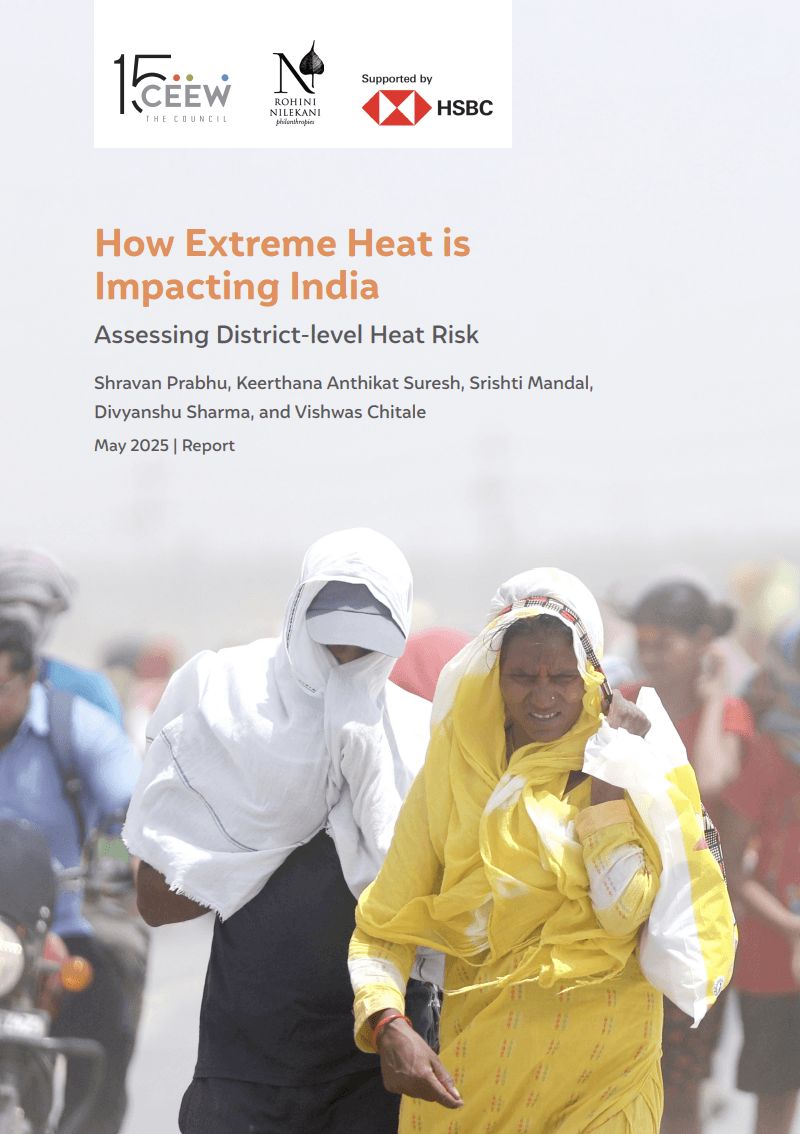
This study develops a Heat Risk Index (HRI) for 734 districts across India to assess what kind of heat risks exist at the district level. It uses the Intergovernmental Panel on Climate Change’s framework of what constitutes hazard, exposure and vulnerability, along with combining four decades of temperature data (1982-2022) with satellite imagery, demographic information, and socio-economic and health indicators.
Some of the key findings of the study published in May last year include: 57 percent of Indian districts, home to nearly 76 percent of the country’s population, are currently at high to very high heat risk. While the number of extremely hot days is increasing across India, the rise in very warm nights is even more pronounced.
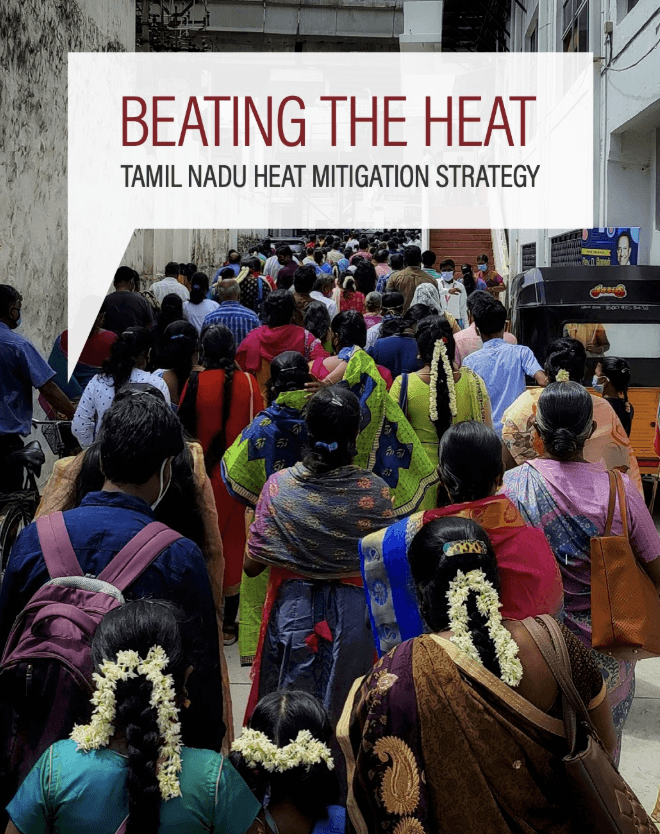
The Tamil Nadu Heat Mitigation Strategy (2024) provides a policy framework that brings together existing state initiatives while promoting collaboration across departments and sectors. Guided by WRI India’s Climate Hazard Vulnerability Assessment framework, the strategy assesses heat-related risks across natural systems and resources, vulnerable livelihoods and communities, and the built environment. The strategy also includes a state-level geospatial assessment of heat hazards and a review of existing policies and programmes.
It was developed through an extensive consultative process which involved sub-committees and 38 government departments. It identifies opportunities for coordinated action and effective intervention; along with recommending strengthening data systems for heat risk assessment, and improving preventive healthcare and treatment facilities.
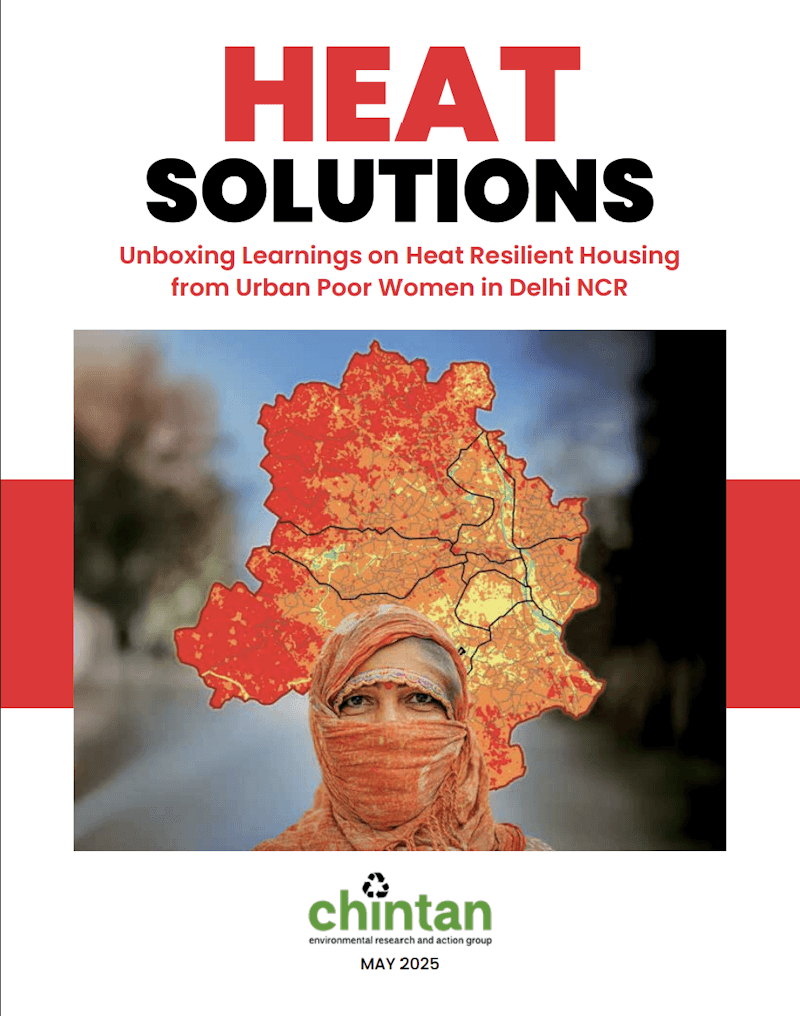
By drawing on Chintan’s own work with 1,000 urban poor women in Delhi NCR between 2022-2024, this report published in May last year explores all the different kinds of community led approaches to heat resilience these women have undertaken. Among the several key things that this report found was that while cool roofs are effective in reducing indoor temperatures, interventions should also focus on considering outdoor spaces where women spend their time carrying out most of their daily chores.
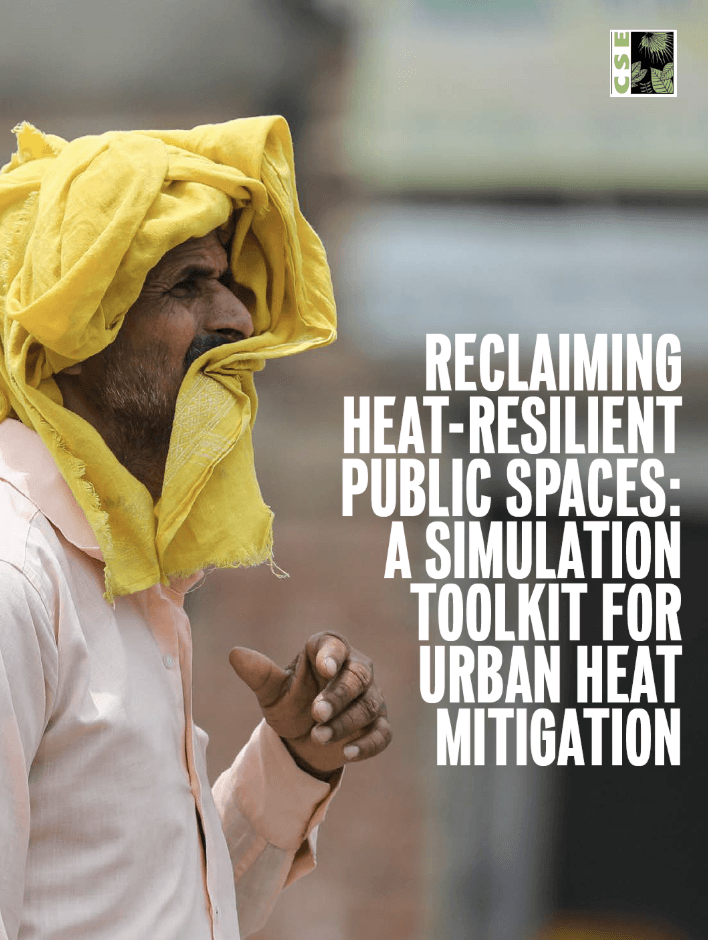
This report by the Centre for Science and Environment (CSE), presents an evidence-based framework for reducing heat stress in urban public spaces. Using ENVI-met microclimate simulations, the study evaluates a range of interventions, including tree canopy expansion, shading structures, reflective pavements and blue green infrastructure across ten sites in Delhi, Jaipur, Mysuru, Pune, and Leh. The analysis combines spatial heat-stress mapping, field assessments, and comparative scenarios modelling to assess how effective are different cooling strategies.
A key finding of the report is that targeted and context specific interventions help in reducing surface temperatures by as much as 22 degrees Celsius. This report offers ample guidance for planners, designers and policymakers who want to work in the field of heat mitigation.
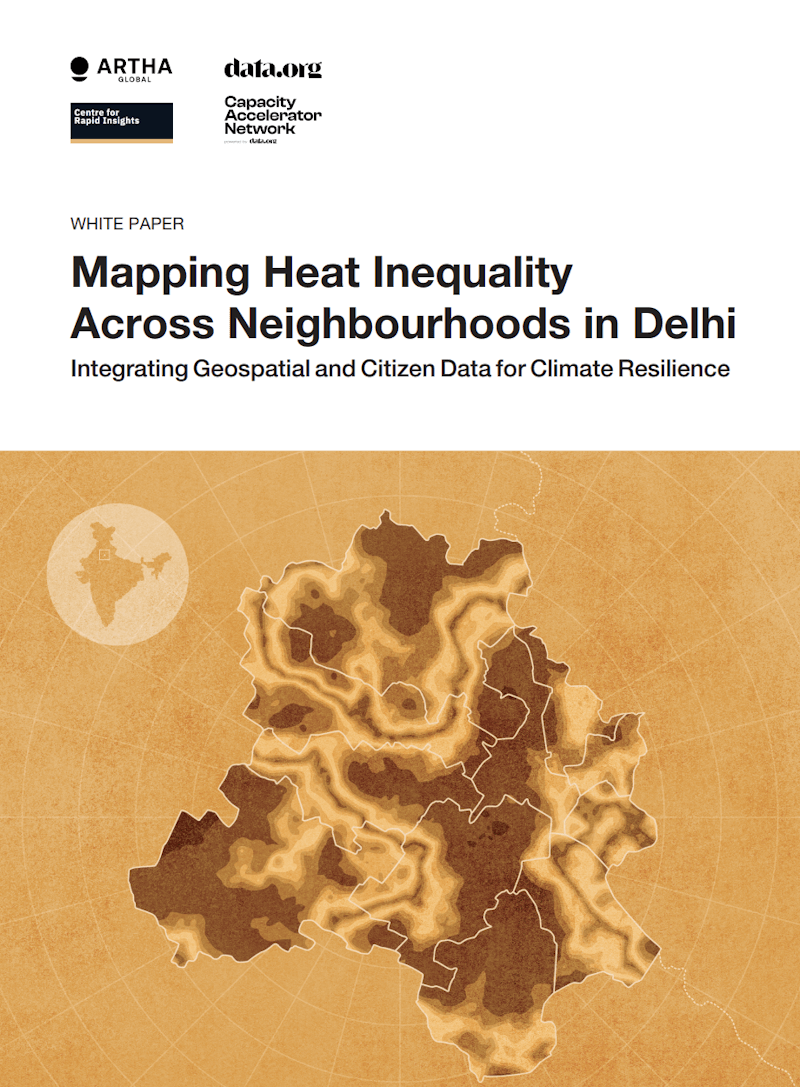
This white paper published in 2026 examines how heat is experienced across Delhi’s neighbourhoods and how these experiences vary across socio-economic groups. Through their findings the paper argues that neighbourhood designs can influence heat exposure. Areas with higher tree cover experience lower temperatures; even a slight increase in greenery helps in cooling and mitigating heat.
The findings show that adding 8 percent more green cover can cool Delhi neighbourhoods by 1°C but its effects are unequal. Areas with higher tree cover experience noticeably lower temperatures, with even modest increases in greenery, thus delivering stronger cooling benefits, than the warming effects which are associated with built up areas. The paper further states how households with air conditioners report better sleep, lower rates of heat-related illness, and fewer work disruptions, during extreme heat, as opposed to lower-income households.
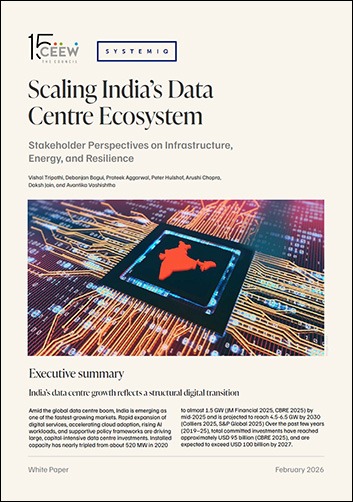
The CEEW (Council on Energy, Environment and Water) report by Vishal Tripathi, Debanjan Bagui, Prateek Aggarwal, Peter Hulshof, Arushi Chopra, Daksh Jain, and Avantika Vashishtha examines how prepared India’s data centre ecosystem is to absorb this scale of growth, and whether current market practices, policies, and regulatory frameworks align with long-term resilience.
India does not yet have a binding national policy framework for data centre development, and state governments have taken the lead in shaping the sector’s growth. As India seizes this unprecedented opportunity, it must also strike a fine balance between growth and sustainability as the digital economy is expected to contribute 20 percent of the national income of India by 2030. Decisions being taken now on siting, power sourcing, and cooling technologies will lock in land, energy, and water impacts for decades.
India, with a population of more than 1.5 billion (bn), is positioned to play a pivotal role in shaping the global digital evolution, and has been experiencing rapid digitalisation across sectors under the Digital India initiative. The number of internet subscribers has increased by more than 30 percent over the last 5 years more than 0.8 bn in 2020 to more than 1.02 bn in 2025. The average mobile data consumption in the country reached ~25 GB per user per month in 2024, significantly above the global average of ~19 GB, and is projected to nearly double by 2030. Water and land use intensify pressure on local communities: Beyond being energy-intensive, data centres also consume large volumes of water and strain land, exerting significant pressure on local communities. The global data centre industry currently consumes around 560 bn litres of water annually, equivalent to the domestic water demand of a metropolitan city with roughly 8 million residents.
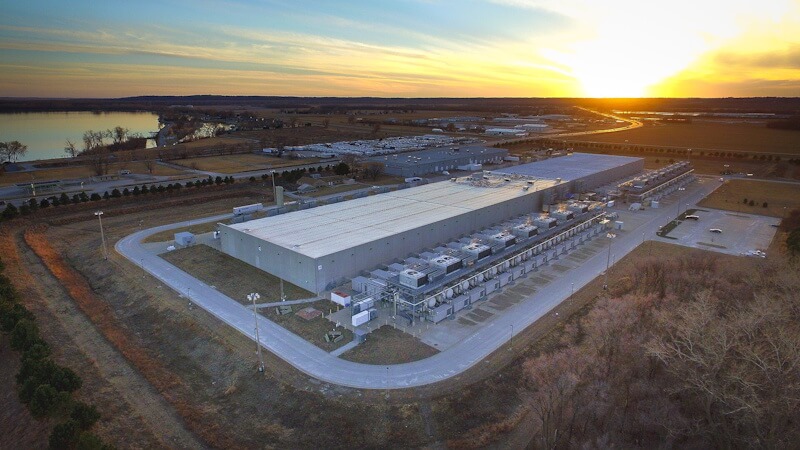
This research paper by the Arizona State University, shows how waste from four data centre facilities in the Phoenix metropolitan area, United States, are affecting local outdoor temperatures. This paper, published in May this year, is the first direct measurement provided of air temperatures in residential buildings in neighborhoods which are located near these data centres.
Data shows that the air temperatures in areas that are located downwind of data centres were on average 0.7-0.9 degrees Celsius higher than in corresponding upwind locations, with peak warming reaching 2.2 degrees Celsius. Since data centre capacities in the US are expected to only double by 2030, this paper identifies data centre waste heat, as a new phenomenon in urban thermal hazards.
The 2026 edition of the United Nations World Water Development Report titled, Water for All People: Equal Rights and Opportunities highlights how equal rights and opportunities in relation to water can create benefits for everyone. It highlights that women and girls often disproportionally bear the responsibility for providing water to households, in places where access to drinking water, sanitation and hygiene services is lacking. The report demonstrates that gender-responsive actions across key water-use sectors, including agriculture, industry, water supply, and sanitation can generate social, economic, and environmental benefits through comprehensive and evidence-based examinations. These actions encompass a wide range of areas, from education and research to governance, policy frameworks, and financing mechanisms.
In particular, continuous water-related education and capacity-building is identified as a cornerstone of stronger water governance and gender equality. The strength of community and collectives over individual efforts is also highlighted. The report aims to provide a balanced, objective, and evidence-based assessment of current knowledge around water and gender.
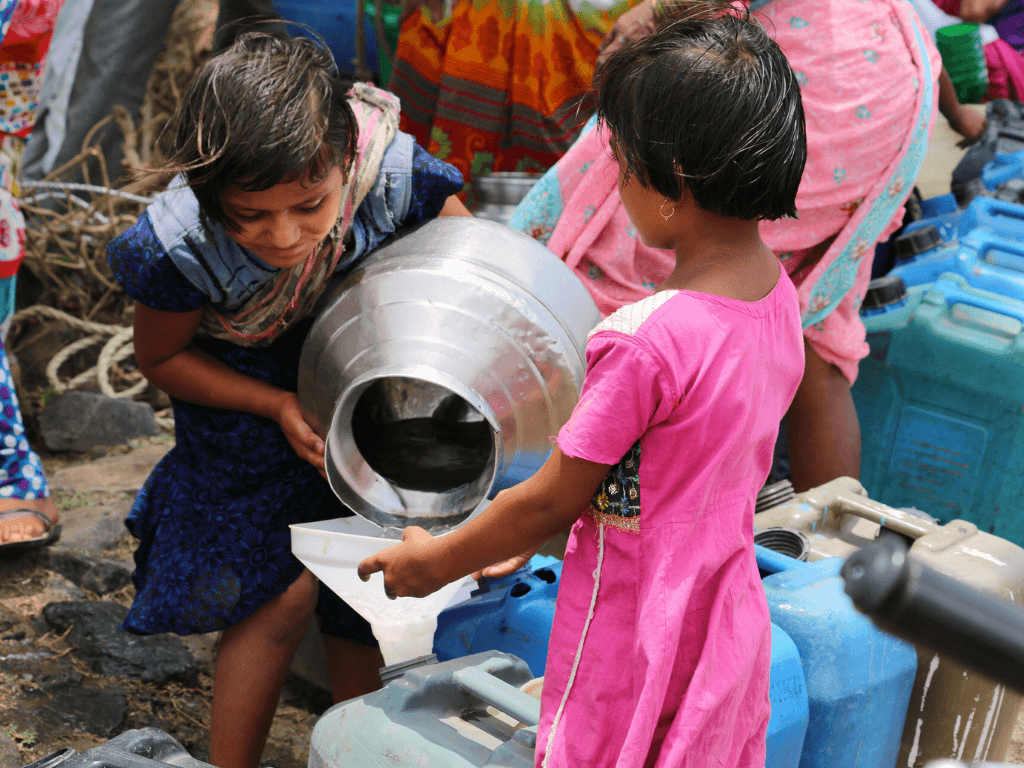
Cover photo: Girls fetch drinking water in Shirur, Maharashtra. Credit: Sanjeev Bonde/Wikimedia Commons