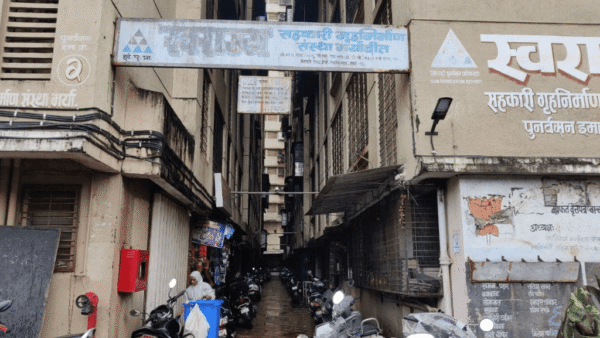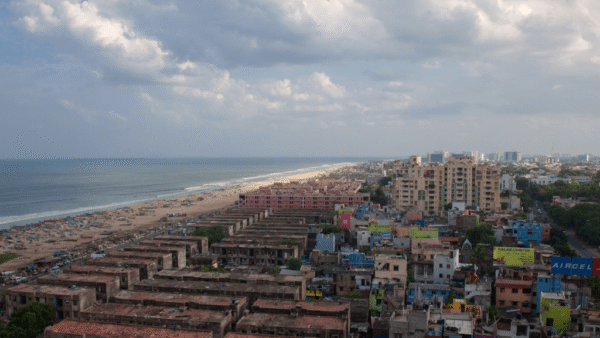

India has seen a surge in forced evictions of slum settlements from 2017-2023; between 2019-2023, there was a 379 percent increase in such cases, according to a report by Housing and Land Rights Network (HLRN).[1] The aftermath of these evictions and displacement is, as repeatedly asserted by governments, rehabilitation and resettlement in ‘better’ housing.
Yet, the on-ground stories widely differ from such assertions of various authorities. The displaced are relocated many kilometres away in poorly-serviced areas of cities, the physical conditions of rehabilitation colonies are sub-par, their design and layout have done more harm than good, and, ironically, infrastructure services in these colonies are poor or non-existent. In Mumbai, slum residents are resettled in situ but that, often, is the start of many deficiencies as the commercial construction next door on the same plot is better planned, constructed and serviced.
The impact of sub-standard resettlement colonies and rehabilitation housing has been on the health and livelihoods of residents. These issues have been studied, mainly in Mumbai and Delhi where rehabilitation housing is a category all its own. This Compendium has a compilation of six reports and research papers on the findings in such housing and the ways forward to improve their conditions.
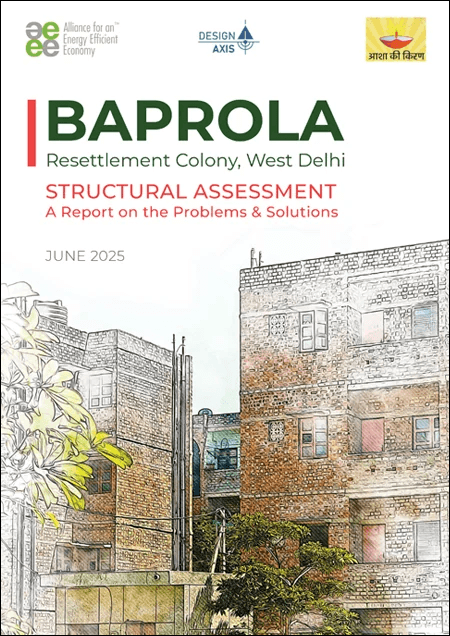
The report by AEEE, Design Axis and residents from the self-help group Asha Ki Kiran, draws from technical analysis and on-site inspections of structural and design elements of homes in the Baprola EWS Housing Colony in Delhi. It presents the findings of how design limitations, construction quality concerns, and insufficient resilience planning have impacted the safety, durability, and long-term Some of the difficulties and challenges that residents of the colony face due to the inadequate and unsuitable housing conditions range from rapid deterioration and structural failures leading to serious concerns rather than benefits.
Theseismic vulnerability to poor material choices and costly repair needs. The report argues that affordable housing is supposed to better the living conditions and quality of life of its residents, but the Baprola EWS Housing Colony shows design key issues identified in this built environment are:
- Rapid structural deterioration like seepage, drainage, failed water supply and plumbing within five years of occupancy.
- Absence of critical seismic features: The colony is located in Zone IV and faces a high risk due to the lack of essential earthquake-resistant features, material degradation, structural cracks, water logging and poor drainage.
- Loss of investment and resources: The cost of repairing each dwelling estimated at Rs 80,000 to Rs 1,00,000 excluding site-level issues.
- Inadequate design decisions related to materials and exterior finishes: The lack of passive design features, use of materials like GI pipes, exposed bricks and poor waterproofing exacerbates thermal stress and creates systemic failure points.
The report then makes recommendations which include:
- Strengthen construction quality and seismic resilience: Designing and incorporating materials as per seismic zones and Indian Standard Code with strong foundations and reinforcements.
- Durable material and design choices: Use of UPVC/CPVC pipes, eliminating sunken spaces to reduce water seepage, avoiding exposed brickwork façades for better insulation, thermal comfort and cost-effectiveness and lowering repair costs.
- Improved oversight and accountability: Better accountability for quality construction and proper execution through SLA agreements for the PMC.
- Capacity building and maintenance: Mandatory training of masons in basic earthquake-resistant construction practices and regular inspection and maintenance.
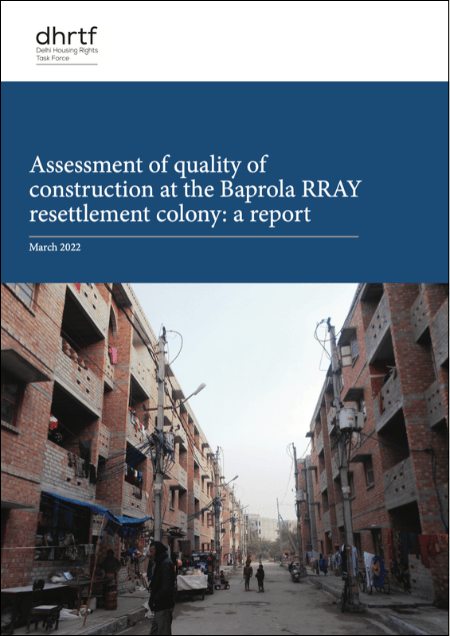
In keeping with its mandate to improve the quality of life of residents of Jhuggi-Jhopri (JJ) clusters, the Delhi Urban Shelter Improvement Board (DUSIB) constructed an Economically Weaker Section (EWS) Housing Society in Baprola Phase 2, approximately 25 kilometres from central Delhi, under Rajiv Ratan Awas Yojana (RRAY) guidelines. It was sanctioned in 2008 and completed in 2014. The first batch was relocated over 2014–15 from settlements located 10-15 kilometres from Baprola such as Punjabi Bagh and Jwalapuri.
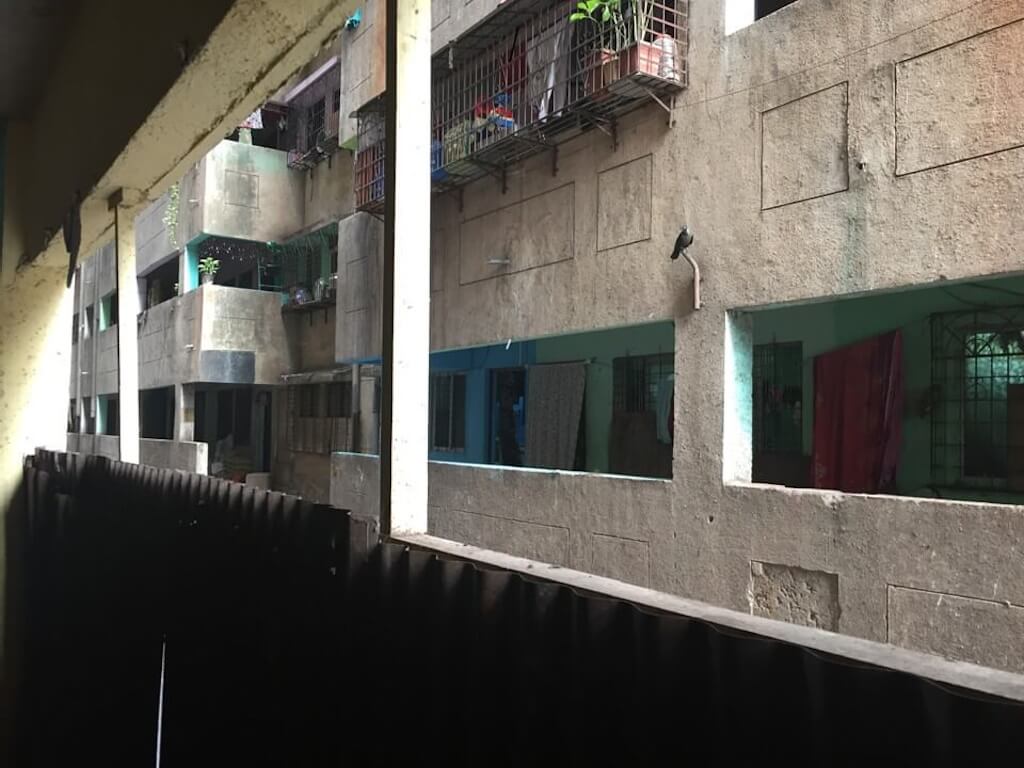
However, in less than five years, issues such as seepage, cracks in walls, peeling of bricks, and overflowing drains were reported by residents, including to DUSIB.
This report presents a preliminary evaluation of the issues at hand. A total of 110 respondents from Blocks F, G, J, and K were surveyed to determine the nature and extent of the problems, and understand the measures taken by DUSIB to resolve them. As many as 64 percent reported structural issues; of this set, 83 percent complained of moisture in toilets and 73 percent of brick peeling. Residents on lower floors reported greater incidence of structural issues; those on upper floors faced acute problems accessing potable water that they had to cart up manually.
Given the high prevalence of these problems, 41percent of the households reported having carried out repairs in their homes. In the DUSIB, less than 10 percent of all complaints were resolved, according to respondents. Initial assessments suggested two kinds of lapses in the project, which can only be confirmed further by an in-depth evaluation. The first major issue lies in the quality of the material used for construction of the buildings, which has resulted in the widespread issues that the resettled face today. Secondly, there are structural issues with the buildings themselves, despite the design of the project being in line with industry standards.
This report documents how these lapses have detrimentally affected living conditions in the society and put families at risk in case of collapse and deteriorating conditions. Consequently, a public-funded project to improve the quality of life for allottees has, instead, pushed them into deeper financial and emotional vulnerability. The report concludes by suggesting measures to ameliorate the living conditions of residents and sets a benchmark for all such resettlement and/or rehabilitation projects in the future.
However, few steps have been taken in this direction since the report was published.
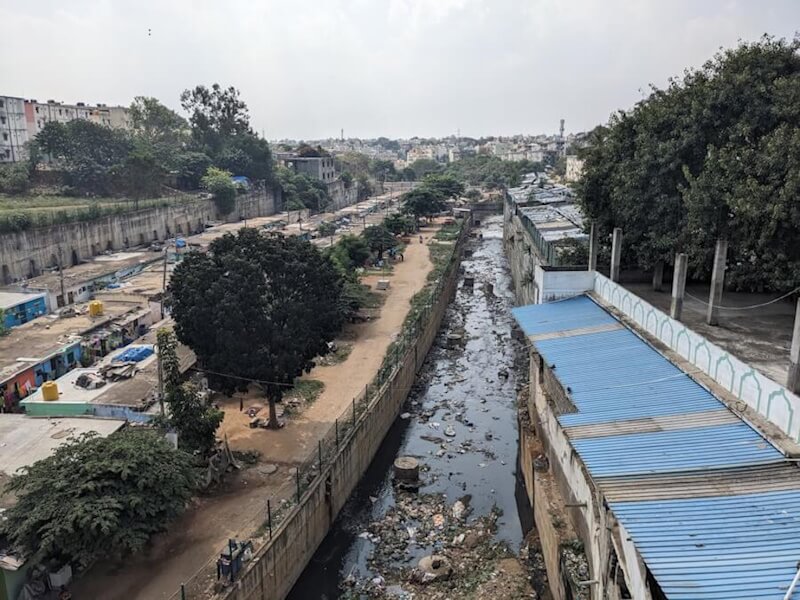
Photo: QoC File
The study focuses on two slum settlements in Bengaluru, Basaveshwaranagar and Jai Bheema Nagar, which were affected by the implementation of the Bangalore Metro Rail Corporation Limited (BMRCL) project’s Phase I. The focus was to understand the impact of development-induced resettlement policy, particularly on women. The slum residents were eventually relocated within Bengaluru.
The key parameters examined included socio-economic conditions, livelihood status, and employment and socio-economic mobility. Using the ‘before and after’ framework, with both quantitative and qualitative methods of data collection, the study captured the socio-economic conditions, livelihood status, and mobility issues of the two slums. The findings point towards the serious effects of spatial relocation on the affected women’s occupational and economic mobility, particularly among the uneducated and elderly, causing women‘s contribution to the family’s income to drop, putting more pressure on the family unit and exacerbating the spatial reproduction of urban poverty.
Based on the findings, the authors state that spatial relocation reinforces the economic and social marginalisation of urban poor, women in particular, by curtailing their socio-economic mobility. The paper, exploring the intersectionality of gender, urbanisation and rehabilitation, showed how gender insensitivity permeates within resettlement structures while reproducing urban poverty.
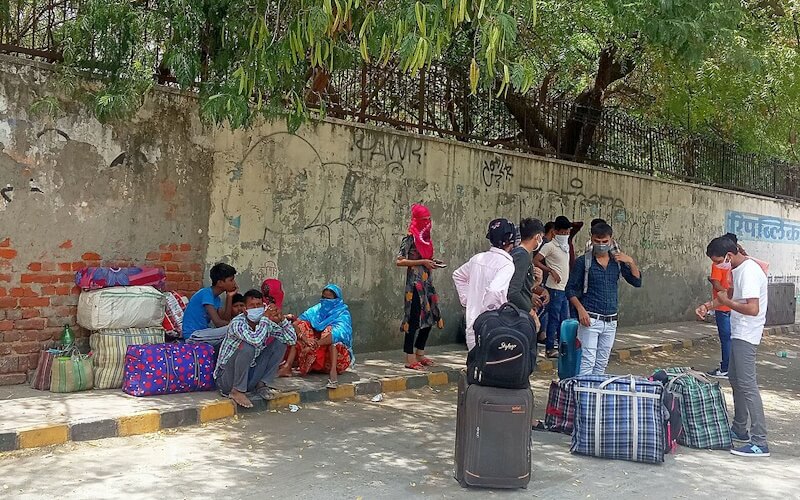
Photo: Wikimedia Commons
This research paper addresses the forceful evictions, partial resettlement, and demolitions of slums during the COVID-19 pandemic despite ‘all eviction activities being suspended’ during the pandemic. This imposed an additional threat on the slum dwellers by the continued cycles of displacement, relocation, resettlement, and rehabilitation, in addition to the stress imposed by the pandemic. The paper discusses two major aspects: The impact of the pandemic on the characteristic aspects of resettlement colonies, and the issues that severely affected the quality of life in resettlement colonies.
The findings indicate the additional burdens and challenges imposed by the pandemic over the pre-existing strain and daily struggles of slum dwellers. The collated data is discussed through five major findings: Infrastructure and sanitation,
condition of health and healthcare services, safety and mobility, educational barriers, and aspects of livelihood. The researcher-authors then propose recommendations which include developing an urban-informal development plan based on Human Rights for Adequate Housing, effective socio-economic relief measures, reachable mechanisms for legal aid and counselling for those experiencing domestic violence and abuse during a pandemic, routine health and skill-based work camps, enrollment of children in schools and effective communication among the locals regarding health, safety and hygiene.
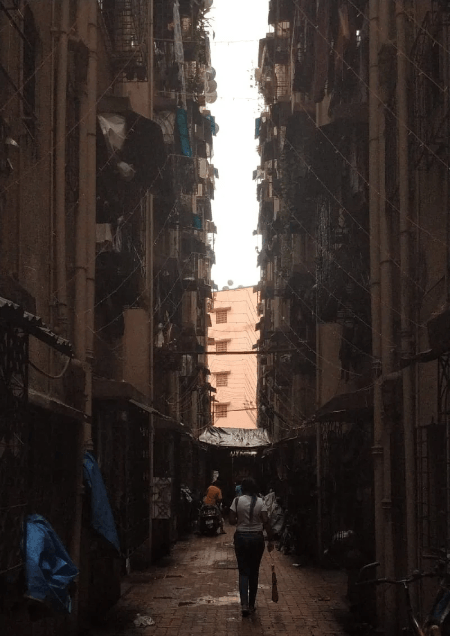
Photo: QoC File
The study looks at slum redevelopment in Mumbai as a case of structural violence. Though the policy is commonly framed as a welfare measure that hands slum residents near-free housing, the noted scholar contends that it works quite differently in practice. What started as a housing scheme has grown into a system of social and spatial control, one that keeps residents tied to speculative property markets and produces fresh patterns of exclusion.
This system, built around releasing the value locked in urban land, imposes a damaging social order, states Dr Bhide. It gradually reshapes how informal settlement is understood and practiced, and it undermines the political voice and agency of basti residents. Although the consequences are severe, they are sustained by the appearance of rehabilitation and by the dismissal of occupancy-based ways of living in and claiming the city as illegitimate.
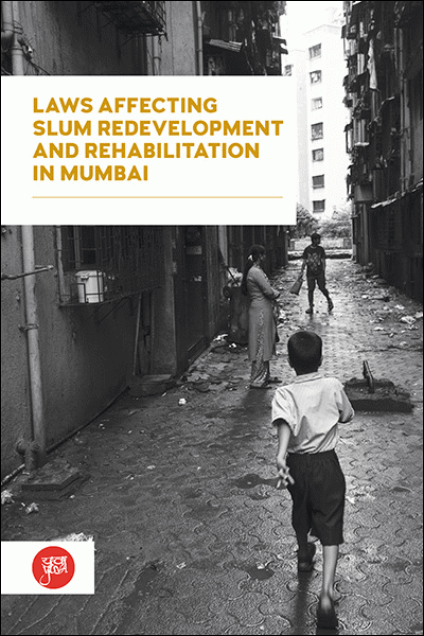
Adequate housing is a basic human right, yet more than half of Mumbai’s slum residents (42.5 percent, as per Census 2011) cannot access it. Affordable options are scarce and the state’s response to rising demand has fallen short over the years. What is needed goes beyond building more homes: Living conditions must also improve through access to basic amenities and social infrastructure.
Land, housing, and urban development fall under the state’s legislative authority, and Maharashtra has introduced a number of redevelopment and rehabilitation policies over the years. These policies, however, do not apply evenly because of exclusionary eligibility rules. Instead of treating adequate housing as a right available to everyone, slum residents are sorted into tiers of welfare beneficiaries based on how long they have lived in the city.
This report sets out to untangle the provisions of the public authorities’ current slum redevelopment and rehabilitation policies in Mumbai. It is organized into five chapters. Chapter I covers the general eligibility criteria, which are often the first source of confusion and dispute on the ground, while Chapters II to V examine the main policies and schemes.
Cover photo: Indoor light conditions in Natwar Parekh Compound, Govandi.
Credit: Namrata Kapoor