
Dear Kolkata,
I hope you are breathing well. I can hardly recognise you these days, which is quite surprising because I always associated you with familiarity and comfort. But that comfort is dying slowly. It is being replaced with flaring prices, segregation, and classist enclaves of enjoyment or survival.
There is another side to you though which people are forgetting too quickly these days – that you can be caring. While conducting walks in different parts of your dingy lanes or broad streets in recent years, I realised there is more to you than what meets the eye in the first interaction. You are just not the grand architectural splendours of the Rabindra Setu, the Hooghly Bridge, the Victoria Memorial, the Rabindra Sadan or the Dalhousie Square.
You are also the everyday rhythms, everyday adjustments and flow of people and vehicles on the streets; the signs and symbols of worn-down walls; the sweet breeze of evening bus rides; and the happiness of gully cricket and outdoor games that are dying down. Kolkata, your innocence is being dented, questioned, and shattered with each passing day through a forced maturity, damaging political rifts, and the weighty expectations of becoming a ‘developed’ metropolis.
My dream of transforming you into a feminist city[1] pushed me to move beyond the threshold of assumptions that I held about you for years. I decided I would explore every nook and cranny with all my senses and sight, to hear what you truly represent and hold, what you desire. Kolkata, you shine differently in different parts of your geography, some places feel safe even at nighttime, but some places turn hostile even during the day.
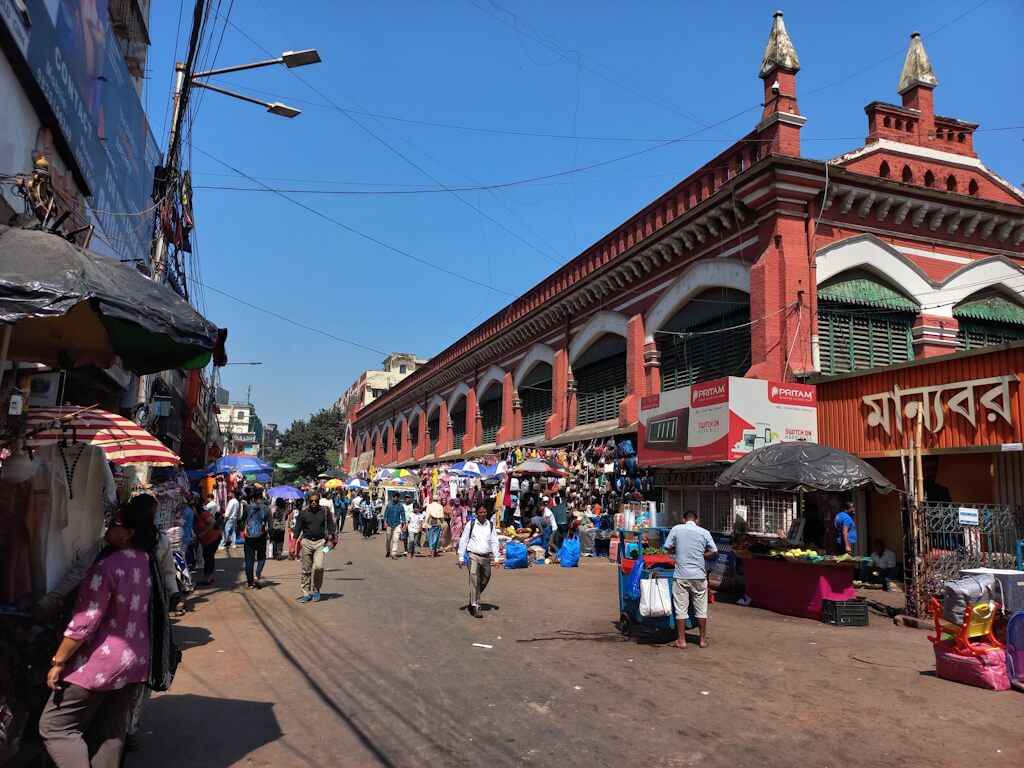
The city is too loud when people breathe too much near the neck with their blazing vehicles. Your streets turn narrow, becoming enclaves of chaos, pushing the limits of patience and temporality for many commoners who cannot afford personal vehicles. I hear a lot of people complain that we cannot walk on the streets because there is either a lack of pedestrian spaces or hawkers and vendors taking over them.[2]
Though space is a matter of political contestation, you have mostly expanded yourself to include everyone. But the cost of inclusion has been different for different parts of the city. While some spaces have thrived and celebrated the unity in diverse cultural and commercial success including areas like Park Street, Bow Barracks, and Kiddirpore among others, spaces where non-Hindu or non-Bengali communities have taken refuge are not considered ‘clean’, hygienic, safe or even bhodro, implying that these spaces are indecent in nature. Muslim ghettos like Park Circus, Tiljala, Beniapukur or ghettos made by immigrants are already deemed unfit for the bhodrolok culture that still persists – and has increased in the days of Hindutva hegemony.
Rising levels of consumption culture is seeing high-rise and gated society dreams around Joka, Garia, Patuli resulting in the creation of spaces which could be categorised as middle-class or upper-class neighbourhoods. These are generally caused by increasing gentrification that highlights the hollowness of symbiotic harmony, producing stark contrasts, capitalistic aesthetics and selective co-existence of nature and humans. There has been a rise in these[3] and institutional investments into the city’s real estate marked soared last year.[4]
Kolkata has been the ‘City of Joy’ and will continue to be so – not because of the contemporary joys of consumption, luxury housing, and booming real-estate but because of the resilience, cooperation of people and the willingness to adapt with a subtle hint of warmth which both spaces and people exude within this city. To me, Kolkata, you are a fighting city more than a ‘dying city’ because you fight everyday to keep yourself safe, secure and habitable despite the dangers of floods and drowning. Your old residences are termed as bipojjonok (dangerous). They may be nostalgic or photogenic but they risk the lives of those living around them.
The safe places
I tried imagining a feminist city through your roads, buildings and infrastructures because of this ability of yours to accommodate – of being inclusive, resilient, and just in your own ways. These affectionate ways of making us feel safe, seen and heard resonates with so many places, especially the paras, addas, and baithaks which are filled with people, the fulfilling neighbourhoods. All places where harmony lies in the everyday ties of affinity entangled beyond the pull of blood.
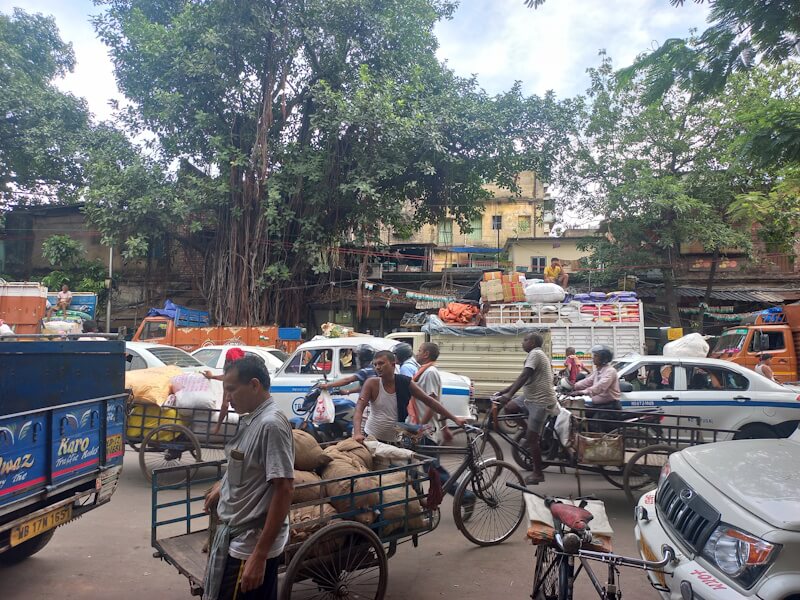
While walking through the streets of Mullick Ghat flower market[5] or Bidhan Sarani, I observed how the hawkers and vendors live with absolute transparency and the spirit of accommodation. Although the services and conditions around such spaces are barely adequate, the energy is palpable. The lanes of Garia guided me through lost roads as the community showed me the ins-and-outs personally, treating me as their own. A recent walk around informal settlements in Garcha taught me about juggling everyday troubles with smiles.
But Kolkata, why do people romanticise the long lost days of yore? Do they not want to take the good practices from the past and focus on the present so that it does not wither away?
I wish people prioritised coming together and helping fix the streets, the everyday routes that are less stressed upon. We run after achieving big apartments and owning branded cars – maintaining an image of imaginary social divisions and yet when it comes to maintaining our environment, being aware about our health and hygiene, we suddenly become blind.
Strengthening communities
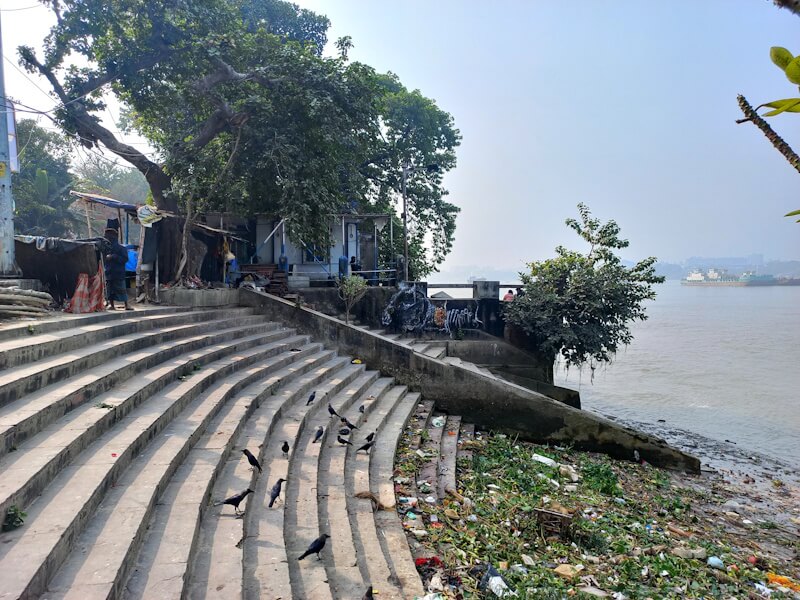
We imagine a future with you, in you, but we never care to sow the seeds of concern when your rivers, ponds and lakes are crying their silent cries for help, for healing and for a little time to rejuvenate themselves. Focusing on the priorities of teaching and empowering the local voices have always been a matter of political support and vote-banks, leaving behind the real issues of supporting the everyday plurality of needs and infrastructural stabilities.
To increase your resilience, our focus should be on strengthening non-partisan collectives or communities who can come together to preserve your waterbodies,[6] to create healthier living spaces, to design homes that are sustainable and create playful, livable streets around their residences.[7] If these adjustments could be made, then probably Kolkata would not require the high-rises and skyscrapers to attract investments – your community culture and appreciation for otithi appayan (taking care of guests), your rich architectural grandeur, and your lively street festivals are enough to make people want to come, stay and, perhaps, make a permanent residence.
We should start caring more for the care workers – the sweepers, the waste handlers, the sanitation workers, having better anganwadi centres, cleaner water and better drinking water systems, more parks, community centres open for all as it is maintained in New Town and Salt Lake (notably the better planned spaces of the city).
Your streets have given expression to protests, marches, movements and artistic activism which makes me proud of you, of your versatility. But, we do not put enough effort in protecting and making your streets walkable, breathable and livable –- barring some which have enough tree covers, others feel like heat islands.
The streets around Ballygunge, Golpark, Hindustan Park wind down so smoothly, interconnecting with each other, making me find ways without even using navigation. But, mostly, your streets miss something –- a place to rest, a place to breathe, especially when we are met with debris or hostile concrete on these streets.
The smell of apathy and neglect
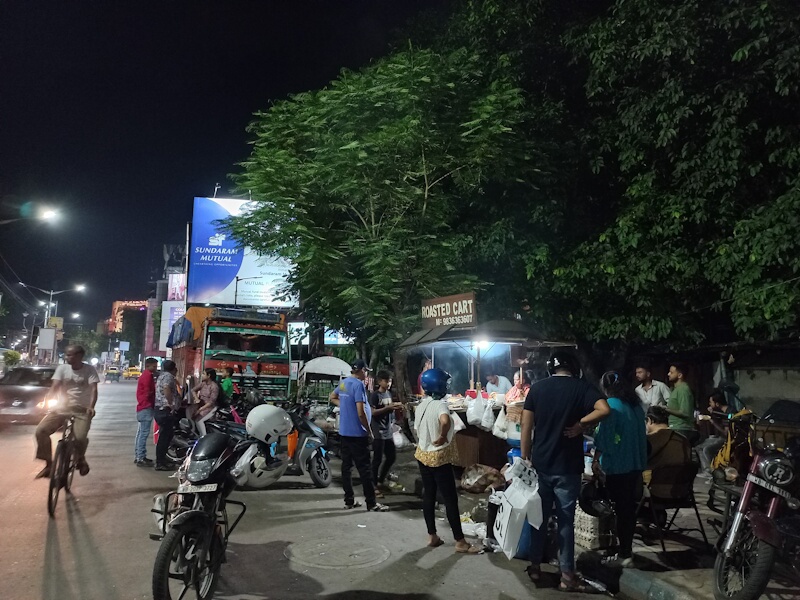
I love the fact that Kolkata smells so weirdly fascinating inside markets, road stalls serving fresh juices, fruits, pakoras (fritters) and whatnot, but the moment we entered the Tram Depot of Esplanade to go to the Swaranika Tram Museum, we are hit with the smell of human waste, significantly at the places marked ‘not to pee’. This is not just one tram depot but the problem of every train station from Ballygunge, Dhakuria till Sovabazar Ahiritola railway station. Kolkata, you have to be cleaner.
We forget that there are people who trust you every day for work and yet manage to receive some shelter under overbridges of Gariahat and flyovers of Park Circus. Your care schemes should increase a little to care for people on the streets, and provide them with shelter and food.
It is high time that streets provided equal access to everyone who commutes – especially the elderly, the disabled, and children so that they experience the willingness to travel everyday. Inclusive infrastructure should be everywhere, not just limited to specific areas or politically active spaces. Your public toilets should improve and have a greater number of stalls especially around dense areas.
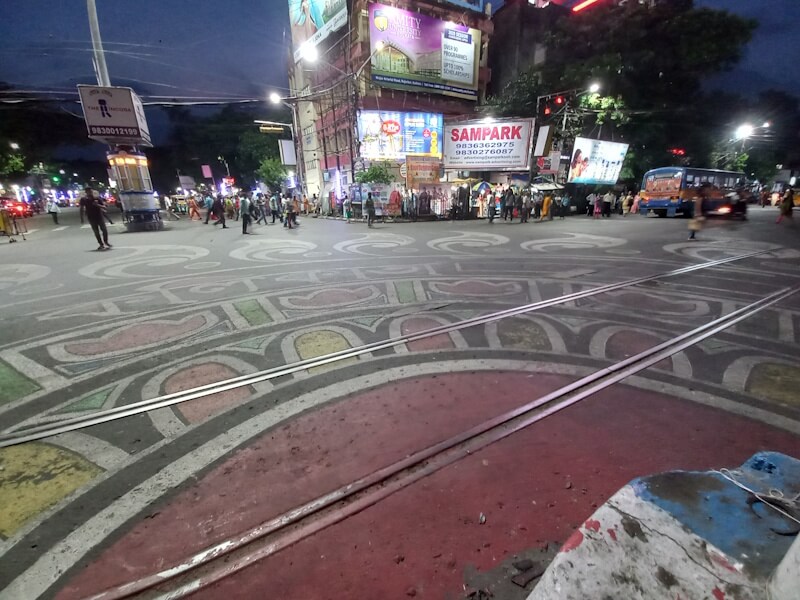
Your empty spaces and broken buildings should host more pop-ups, tactical or do-it-yourself interventions from citizen volunteers and stakeholders to come together as a community and uplift those spaces into safe, well lit, accommodating libraries, gardens (because urban farming is in trend these days), skill development or safety training classes for men and women. I wish, not only from Jane Jacobian romanticism but grounded practical sense, that people everywhere realise that ‘eyes on the street’ are better than CCTV cameras. I wish people in power understood this well enough to reflect it in planning and designing the city.
Kolkata, you can change so much. After all, in the land where women have been historically and culturally worshipped, how can the hypocrisy of controlling them and tormenting them turn into an urban ritual? I still believe you have great potential to become a feminist city, a care-based[8] feminist city, which ensures that people care for each other, especially the most marginalised or ‘othered,’ where everyone is equally welcome, and everyone can access their due rights instead of shaming them for what they are or desire.
The city will live with joy as long as the people here realise the significance of where they live. This can only happen when we, deliberately and repeatedly, strengthen our community ties, not just through performative unity but through difficult, non-partisan and humanitarian acts and decisions. We cannot live merely with the memories of the bygone days. Kolkata, I still see hope in you, beyond the debris of politics or the poverty of ethics. Help me keep that faith.
Yours truly,
Srestha Chatterjee
Srestha Chatterjee has graduated with a Master’s in Sociology and nurtures a specific interest in urban sociology at the intersection of gender and urban planning with a keen interest in participatory planning and collaborative design. She holds monthly Gender Community Walks as part of her Pilot Research Project which aims at enquiring into the aspect of developing Feminist Cities in the Global South through a participatory, decolonised model of development.
All photos by Srestha Chatterjee
Cover photo: Hogg Market Esplanade, Kolkata