
Dear Shri Pushkar Singh Dhami Ji,
As Uttarakhand prepares for another Char Dham season, a new national framework comes into force that we cannot afford to ignore. The Government of India has notified the Solid Waste Management Rules, 2026, effective from April 1, 2026. These rules mandate that waste is segregated four ways at source, stricter accountability for bulk waste generators, digital tracking of waste flows, and enforceable penalties under the Polluter Pays principle.[1] For us in Uttarakhand, a fragile Himalayan state which hosts millions of pilgrims each year, this is more than a regulatory reform. It calls for fundamental shifts in the way we manage waste.
The Solid Waste Management Rules, 2026, place clear responsibility for processing waste on hotels, camps, large establishments, local bodies and others where it is generated. They restrict landfill dumping and demand transparency in reporting. Across Uttarakhand, where cities, towns, villages, forests and pilgrimage routes have routinely choked on plastic and mixed garbage, these provisions should not be seen as yet another abstract policy but rather as a wake-up call or an immediate obligation. If implemented well, the reforms in Solid Waste Management can become the backbone of a structural clean-up across the state. If ignored, it will be another missed opportunity. Time is not elastic; April is around the corner.
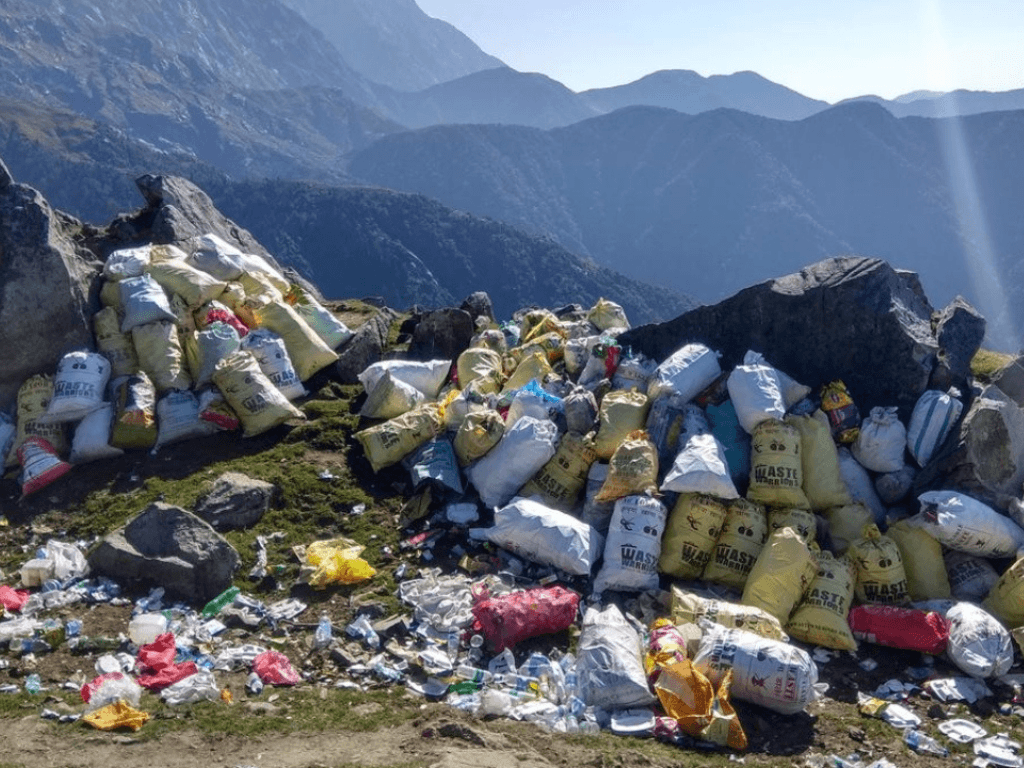
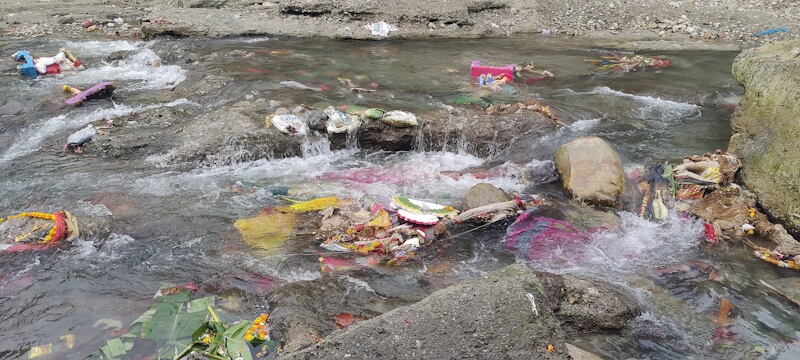
There comes a moment in the life of a state when silence becomes complicity. For Uttarakhand, that moment has long passed. We are standing knee-deep in a crisis that is visible in every overflowing drain, every littered riverbank, and every hillside stained with plastic. This is no longer a polite concern. This is a plea. One grounded not in blame but in love for our home and an urgency for action.
I am not here to tell you how dirty our state has become. We all already know. The evidence is around us and within us. In the air we breathe, the water we drink and the sacred places we still claim to respect. What I then offer here is not outrage, but five concrete, actionable solutions. This letter does not intend to be a list of complaints, but rather a roadmap for improvement because I strongly believe Uttarakhand still has a chance. But we cannot wait. The time is now.
Let’s start by acknowledging the truth. Waste management in a state like ours is not simple. The terrain changes. The kind of waste changes. And the authorities change depending on where you are. Nagar Nigams in cities. Panchayats in villages. In the forests, no one really takes responsibility. Solid waste, plastic waste, e-waste, biomedical waste, hazardous industrial waste, and debris from construction sites all need their own approach. And yet, no single government body is tasked with seeing the whole picture. This is why things keep falling through the cracks.
Get a macro-level plan
So, my first request is to set up an Uttarakhand Waste Management Commission (WMC). An independent, legally empowered body that oversees and coordinates every other agency related to waste. The Uttarakhand Pollution Control Board[2] (UKPCB), Nagar Nigam, Urban Local Bodies (ULBs), even gram panchayats. This commission must be able to demand answers, enforce accountability, and cut through the red tape. Unless someone is placed at the top with full authority to call the shots, this broken system will stay broken. Right now, there is no macro-level plan, and no one is really in charge. That has to change.
My second point is just as basic. Dehradun has to lead. It is our capital. It should be our pride. Instead, it has become a tragic tale. According to Swachh Survekshan 2024, Dehradun does not even make it into the top 10 cleanest cities in Uttarakhand.[3] Forget India. Even within our own state, Dehradun is lagging behind. Smaller towns like Lalkuan, with fewer people and fewer resources, have fared much better. That should embarrass all of us.
We have models to learn from. Indore, Surat, and now Lucknow. One thing is common to all three. A municipal commissioner who cares and is driven to achieve. Someone with real skin in the game. Someone who doesn’t wait for orders, doesn’t make excuses, and doesn’t pass the buck. If we’re serious about turning Dehradun around, you must appoint your best and most dedicated official to the role of municipal commissioner. Give them complete freedom to work. No interference. No resource crunch. Just full backing and a clear target. Change the face of the city in the next two to three years. That’s the mandate. That’s the window. If Inderjeet Singh can take Lucknow from rank 40 to number 3 in a year, then what’s stopping us?[4]
City plans with clear command of waste management
The third point is directed straight at the Urban Local Bodies across the state. Most are asleep at the wheel. You must issue a direct order to every ULB to prepare a City Transformation Plan and submit it to your office. Since there is no Urban Development Minister at the moment, the responsibility must rest with you. No more vague or flowery press releases. No more committees that meet but never deliver. Ask everybody to explain three things: What is your plan for source segregation? What is your strategy for door-to-door waste collection? And how do you intend to process and treat the waste? If they do not have answers, they should not be in charge of running their city.
Let’s also talk about civic sense. No system works without public cooperation. But this cooperation will not come from stale slogans. “Clean Doon, Green Doon” has never really worked. It is dead on arrival today. People need to feel consequences. Drunk driving cases declined because the police actually started cracking down. Not because people suddenly became more responsible. Enforcement matters. The same principle applies here. Littering, open dumping, illegal burning. These are not bad habits. They are violations. They need to be treated like that.
Education campaigns are necessary, but not enough. Fines work. Visible penalties work. Public accountability works. We need all of it. And we need to stop pretending that this mindset shift will happen on its own. It won’t. It has to be pushed. From the top down.
Remind the private sector of its role
The fifth and final point: Bring in the private sector. Waste is everyone’s problem, so everyone must be part of the solution. The biggest companies operating in Uttarakhand should be asked to align their CSR budgets with the state’s cleanliness goals. And if asking does not work, tell them. Issue clear mandates. One company can adopt a city. Another can fund a material recovery facility. A third can support innovation in recycling or composting. Don’t leave it to chance. This needs to be coordinated, tracked, and executed with discipline. Again, the Waste Management Commission can play a central role here.
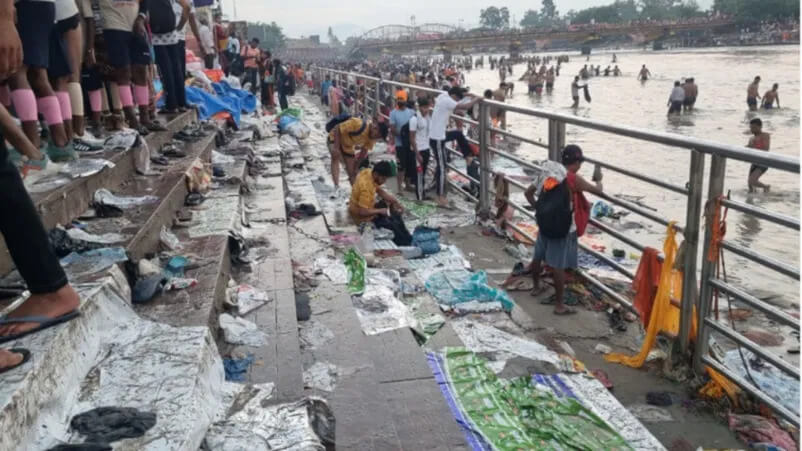
This is not a normal situation. This is a crisis situation. Our rivers are getting dirtier. Our hillsides are drowning in plastic. Our temples are full of waste and our drains are full of excuses. At the same time, we are telling the world to visit us. That is not just bad planning. It’s hypocrisy.
Show leadership
And yet, this is one crisis where we still have control. You can say that I cannot stop glaciers from melting. You can say that I cannot single-handedly reverse climate change. But this? This waste, you can handle. This is ours to fix. And since you are the Chief Minister and also the Urban Development Minister, the buck stops at your door.
This is not my final word. It is a beginning. A conversation starter. Five focused points to get us moving. From here, the path can grow – into policy, into action, into results. There is a long list of things that can be done. Waste audits. Decentralised composting. Eco-tourism guidelines. Clean temple protocols. Flood-proof sanitation. But none of that matters if we cannot first agree on urgency and leadership.
The people of Uttarakhand are not apathetic. They are waiting. Waiting for someone at the top to set the tone. Waiting for systems that work. Waiting for someone to take responsibility and drive real change. That someone, Dhamiji, is you.
I write this as a concerned citizen. If you ever want to discuss this further, or sit together to sharpen ideas into policy, I am always here. I believe this state can lead the way. But not unless you get serious. Not unless we start now.
Thank you Dhamiji, hopefully, for reading this all the way through. These five points are just a start. The state deserves a lot more. Let’s get to work.
Sincerely,
Anoop Nautiyal
Anoop Nautiyal is a Dehradun resident and a community leader. He has repeatedly raised issues of environmental degradation and the climate crisis in Uttarakhand while pitching for an alternative model of sustainable development. He is the founder of the Dehradun-based Social Development for Communities Foundation, a not-for-profit engaged in climate and environmental conservation, sustainable urbanisation and solid and plastic waste management.
All photos: Anoop Nautiyal