
News Digest
April 3, 2026

More heatwave days in many states this summer: IMD
The India Meteorological Department (IMD) released a forecast map that shows additional heat wave days in Delhi-NCR in May-June, reports The Times of India. In April, many parts of India, including northwest, may experience above-normal rainfall due to prevailing and predicted western disturbances. It is considered a heatwave if the maximum temperature of a weather station reaches at least 40 degrees Celsius or more for plains and at least 30 degrees Celsius or more for hilly regions. Many parts of plains normally get three to five days of heatwave during April-June period. Most parts of India may get below normal temperatures during the day but are likely to have warmer nights. IMD data shows as many as 45 human deaths due to extreme weather across many states in March itself.
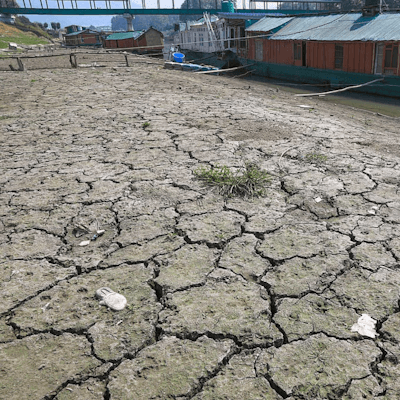
Kashmir: Seven consecutive warm winters threaten water security
Kashmir has recorded seven consecutive winters with below-normal precipitation, reports Down To Earth. Snow and glaciers act as natural reservoirs in the Himalayas, releasing water slowly into rivers and streams during summer. Reduced snow accumulation could therefore lead to shortages later in the year, affecting both agriculture and drinking water supply. Satellite observations across the Hindu Kush–Himalayan region show a decline in “snow persistence” meaning the snow cover does not last as long as it once did. Tourism— a key source of income in the region—may be at risk if winter snowfall continues to decline. Faizan Arif, an independent weather analyst based in the region, says this February was the warmest on record across the Valley. In Srinagar, the average maximum temperature reached around 15.6 degrees Celsius, surpassing the previous February record of 14.9 degrees Celsius in 2016.
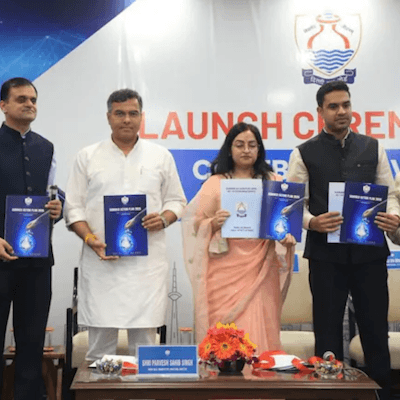
Delhi's Summer Action Plan focuses on water supply, Yamuna
The Delhi government’s Summer Action Plan 2026-27 focuses on preventing untreated sewage from flowing into the Yamuna River, a persistent environmental challenge for the city, reports NDTV. Launched on March 30, the plan aims at sustaining around 1,002 million gallons per day (MGD) of water supply through the summer months. Reservoir cleaning, preventive maintenance of underground storage, booster pumping stations, and intensified leak detection drives are being carried out to reduce distribution losses. Pipelines now cover 1,646 of Delhi’s 1,799 unauthorised colonies. Officials said bridging last-mile gaps and ensuring more even distribution will be a priority during peak summer, especially in areas dependent on tanker supply. The plan also emphasises replacement of ageing sewer lines, desilting of drains, and using mechanised equipment to tackle blockages.
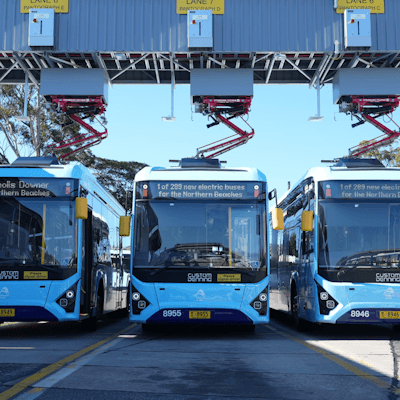
Rising fuel cost pushes Australia to roll out more e-buses
Buses, a core part of Australia’s public transport system, remain highly dependent on diesel, consuming about 530 million litres a year, reports The Guardian. The Bus Industry Confederation wants buses to be prioritised in fuel security planning. “Buses carry more than half of Australia’s public transport passengers. Fuel security is not just an operational matter. It is a matter of social equity and community resilience,” said executive director Varenya Mohan‑Ram. In Australia, nearly 42,800 diesel buses were registered in 2025, compared with 629 electric—about one percent of the fleet—according to government data. But in the Australian Capital Territory’s (ACT) fleet, e-buses make about 24 percent of the fleet.
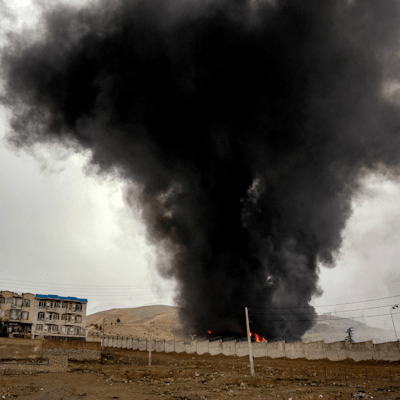
US-Israel war on Iran turns into environmental sacrifice zone
The first analysis of the climate cost has found that the conflict led to 5 million tonnes of greenhouse gas emissions in its first 14 days, reports The Guardian. The analysis adds another layer on to reporting of the catastrophic environmental harm being caused by attacks on fossil fuel infrastructure, military bases, civilian areas and ships at sea. “Every missile strike is another downpayment on a hotter, more unstable planet,” said Patrick Bigger, a research director at the Climate and Community Institute and a co-author of the analysis. The US-Israel war on Iran is a disaster for the climate, finds the analysis, and it is draining the global carbon budget faster than 84 countries combined. Based on reports by the Iranian Red Crescent that about 20,000 civilian buildings have been damaged by the conflict, the analysis estimates the total emissions from this sector to be 2.4 million tonnes of CO2 equivalent (tCO2e).
Will not remove chapter on climate: US Science Academy
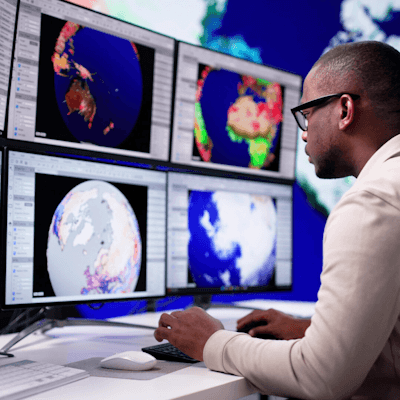
The Federal Judicial Center, a group within the judicial branch of the government, has collaborated with the National Academies of Sciences (NAS) to produce a reference manual with background on a range of scientific and medical issues that frequently confront the court system, reports Ars Technica. For the first time, this edition of the Reference Manual has included a chapter on climate change. It is meant to prepare judges to potentially decide cases focused on everything from federal environmental rules to charges that fossil fuel producers engaged in fraud by ignoring the many warnings of harms caused by their products. That did not sit well with Republican politicians; a collection of red-state attorneys general sent a letter demanding that the Federal Judicial Center pull the chapter. However, the Academy stood its ground. “The manual, including the chapter on climate science, will continue to be available on the Academy’s website,” the NAS responded.

Urban planning book details world’s urbanisation patterns
The history of urban planning is the history of the unintended, and plans that try to control too many outcomes tend not to work particularly well, says Harvard scholar Bruno Carvalho in an interview to Bloomberg on the occasion of his new book The Invention of the Future: The History of Cities in the Modern World. Carvalho notes that in real-life American cities of the Jetsons’ era, parking lots were gobbling up valuable real estate, and urban highways were slicing through entire communities. The book explores how planners—from George-Eugene Haussmann in 19th century Paris to Ebenezer Howard in the early 20th century—tried to reinvent urban living. But the places they created ultimately defied expectations. “The constant of urbanisation is change, so we have to always imagine our solutions as being contingent,” says Carvalho.
March 20, 2026
Bengaluru least polluted among major Indian cities: Report
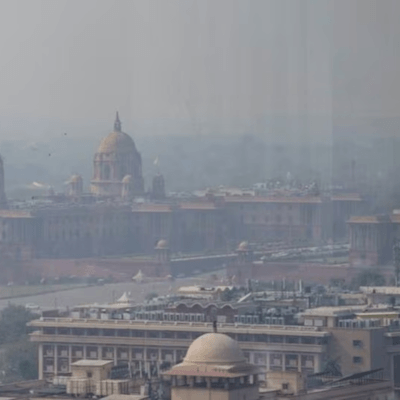
The report, ‘Meteorology-Driven Persistence of PM2.5 Pollution in Indian Cities: Implications for NCAP Phase-III’, highlights Bengaluru’s resilience to air pollution, ranking it the least polluted among major Indian cities in 2024-25, reports Mint. In contrast, Delhi and Patna face dire air quality challenges, with severe pollution episodes exacerbated by meteorological conditions. “Delhi continues to face the most severe pollution crisis nationally with the highest annual average PM2.5 levels and the longest stretches of ‘severe’ or ’emergency’ category air days, driven by local emissions and regional factors,” says the new analysis by Climate Trends. The findings are based on Central Pollution Control Board (CPCB) air quality monitoring data of 2024-25 across Delhi, Patna, Kolkata, Mumbai, Chennai and Bengaluru. Using the CPCB data combined with meteorological clustering, the study distinguished emission-driven pollution from weather-driven variability.
Expats’ mad scramble to leave Dubai reflects 2022 Hong Kong
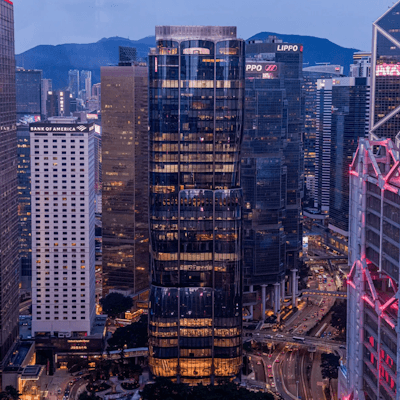
Almost two weeks into the US-Israeli war with Iran — which has seen Iranian missiles and drones launched at locations around the Gulf — companies in Dubai are mobilising to evacuate their employees via Saudi Arabia and Oman, reports Bloomberg. Images of buildings in Dubai damaged in the conflict illustrate how precarious this frictionless, borderless world that bankers flit through has become. Part of the pact of leaving London, New York or Sydney was an expectation of safety, along with the perks of low tax, a housing allowance and club membership. When foreigners fled Hong Kong four years ago, Singapore and Dubai were among the biggest beneficiaries. Both experienced the kind of boom — and strain — that accompanies a surge of wealthy expats, much as Hong Kong had in the previous decades: Soaring property prices, intense competition for private school places, and the rise of a service economy catering to Western tastes.
Restoring plastic-choked Pasig River in Manila a huge task
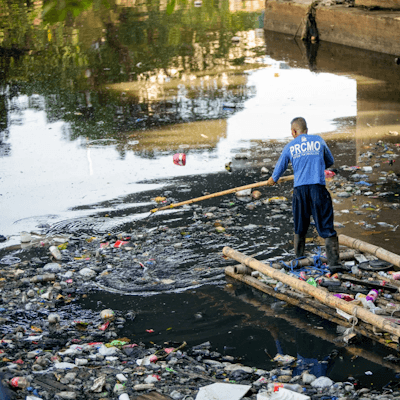
The Philippines is making an effort to clean the 26-kilometre Pasig River that has been identified as a top emitter of plastic waste, reports Bloomberg. A 2021 study showed that the river in Manila is estimated to have contributed 6 percent of plastics from rivers leaking into oceans, more than rivers like India’s Ganges despite being shorter. Data from global consultancy company Arup — which partnered with the Asian Development Bank to build a digital model of the Pasig River to identify pollution hotspots — showed that plastic bottles, foam containers and film wrappers made up most of the plastic waste floating on one of its tributaries during last year’s rainy months. Past leaders have tried to restore the Pasig River, but their efforts were outpaced by rapid population growth and urbanisation. Now, President Ferdinand Marcos Jr. is taking on the task with renewed vigour.
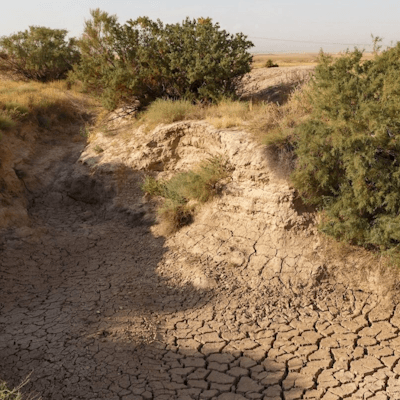
War and climate change worsen Iran’s water crisis
Iran has faced years of intense drought, which scientists have found was made more intense due to human-caused climate change, reports Carbon Brief. The recent air strikes on desalination plants in Iran and Bahrain are driving wider questions about how the war might exacerbate water insecurity across the Middle East. One expert said the conflict is “straining an already-fragile [water] system” within Iran. Towards the end of 2025, Iran’s Meteorological Organisation warned that the main dams supplying drinking water to major cities such as Tehran, Tabriz and Mashhad were close to “water day zero”. Prof Kaveh Madani, former deputy vice-president of Iran and the director of the UN University Institute for Water, Environment and Health, said that recent rainfall means the threat had subsided in Iran but that a combination of climate change and “local human factors” mean “many, many places in Iran are in ‘water bankruptcy’ mode”.

LA promises climate-friendly, transit-first Summer Games
The Los Angeles Metro plans to launch the “Games Enhanced Transit Service” — a kind of parallel public transportation system for the 2028 Summer Games, reports Bloomberg. Organisers hope to field 1,747 extra buses, running routes connecting Olympic and Paralympic Games venues, in order to move an estimated 15 million visitors. In a modern twist on the model, LA’s Olympics also seeks to be more climate friendly, aiming to have 100 percent of the bus fleet be zero or near-zero emission. According to LA28, the nonprofit group overseeing the events, “sustainability serves as a guiding principle.” Los Angeles currently has the most extensive electric vehicle charging network in the US. But expanding its capacity to meet the Games’ transportation needs — and the spirit of its sustainability pledge — calls for an electrification upgrade, local EV advocates say.
March 6, 2026

India’s hilly regions may experience hotter summer: IMD
According to data from the India Meteorological Department (IMD), the chance of maximum temperatures being above normal is the highest for Jammu & Kashmir, most of the mountainous regions of Himachal Pradesh and the highest regions of Uttarakhand, reports Down To Earth. These regions could most likely experience above-normal minimum temperatures. The probability of increased day-time temperatures is also highest for most of northeast India. In the Western Ghats, coastal Karnataka, parts of coastal Maharashtra, and isolated parts of Kerala are vulnerable. The increase in heat during summer, after a predominantly dry winter, could lead to an increase in dryness, drought-like conditions and wildfires, especially in the hills and mountains. Some of the hilly regions have already seen uncharacteristic wildfires in January and February.
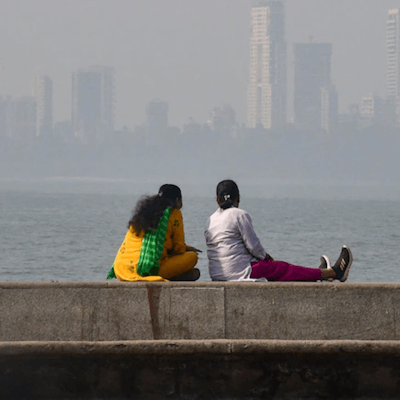
Mumbai’s air pollution linked to 57% of lung cancer cases
According to a recent cancer-screening campaign shared in the Maharashtra Legislative Assembly, authorities found that lung cancer accounted for 57 percent of diagnosed cancer cases in Mumbai, with environmental pollution identified as a key contributing factor, reports NDTV. The Maharashtra Health Department conducted a cancer screening campaign which showed a significant concentration of lung cancer cases in Mumbai. Environment-linked cancer, from chronic exposure to poor air, accounted for 57 percent of these diagnoses. The findings, presented by Health Minister Prakash Abitkar, underscored the serious health implications of long-term exposure to air pollutants. While air quality issues have plagued Mumbai, the worrying trend is that fine particulate matter (PM2.5) and traffic-related nitrogen dioxide (NO2) are now linked to chronic respiratory diseases and cancer risk even in non-smokers.
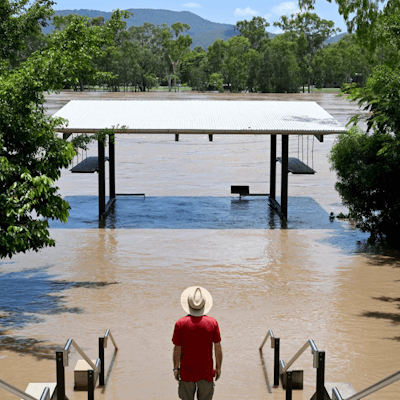
Australia records wettest summer in nearly a decade
In Australia, the 2025-26 season was the wettest in nearly a decade, with rainfall 32 percent higher than average across the country, according to the bureau’s summary, reports The Guardian. It was also Australia’s eighth-hottest summer on record, 1.1C above the 1961-1990 average. Only one summer in 1997-98 was hotter, said Qian Zhou, a climatologist at the bureau. The heatwave event in late January was particularly severe, with 62 stations recording their highest-ever daily maximum temperature between 26 and 31 January, the summary said. The highest maximum temperatures recorded were both in South Australia – which experienced its fourth-hottest summer with 50 degrees Celsius. South Australia’s February rain was 356 percent above average, Zhou said, the state’s second-wettest on record after 2011.
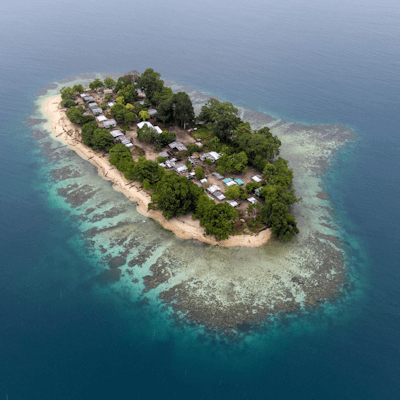
Average sea levels 30cm higher than thought: Study
Latest research published in Nature combined the analysis of 385 pieces of peer-reviewed scientific literature released between 2009 and 2025 with calculations of the difference between the commonly assumed and actual measured coastal sea levels, reports The Guardian. Authors Dr Philip Minderhoud of Wageningen University in the Netherlands and PhD researcher Katharina Seeger discovered that more than 90 percent of these studies did not use local, direct measurements of sea levels but instead used land elevation measurements referenced against global geoid models. As a consequence, sea levels were undervalued by an average of 24-27 centimetres, depending on the geoid model used, with some discrepancies as much as 550-760 centimetres. Minderhoud said: “In reality, sea level is influenced by additional factors such as winds, ocean currents, seawater temperature and salinity.”
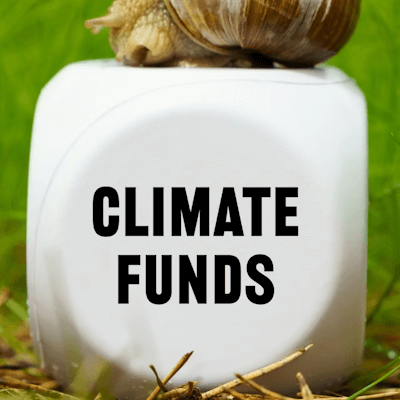
Why climate funding fails to reach the frontline
Developed countries, because of their wealth and historically higher emissions, made a non-binding commitment in Paris to raise at least US$100 billion a year by 2025 to help developing nations shift to renewable energy and adapt to climate change. But for developing countries such as Indonesia, meeting these targets is not just a matter of political will, writes Professor Nikita Sud in The Conversation. It requires massive financial mobilisation, and current funding levels may not be enough to bridge the gap. To meet the Paris climate goals, Indonesia pledged to source 29 percent of its energy from renewables by 2030 — or 41 percent with international support. In 2022, that support seemed to arrive through a US$20 billion Just Energy Transition Partnership (JETP).
February 20, 2026
NGT backs Great Nicobar Project, cites adequate safeguards
The National Green Tribunal, on February 16, ruled that it would not interfere with the environmental clearance granted to the Rs 80,000-crore mega infrastructure project on Great Nicobar Island, stating that there were adequate safeguards built into the approval, reports The Indian Express. The tribunal relied on studies conducted by the Zoological Survey of India and the National Centre for Sustainable Coastal Management, both under the Union environment ministry, and underscored the ‘strategic importance’ of the project. The development plans include an international airport, a transshipment terminal, gas and solar power plants, a township and tourism facilities – despite concerns from the Nicobarese community over loss of ancestral land. This order disposes of a batch of petitions in the project.
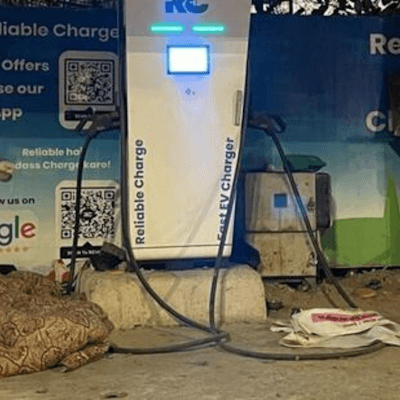
Homeless people removed ahead of Delhi’s AI Summit
For the AI Impact Summit 2026 in New Delhi’s Bharat Mandapam, shelterless people living near the venue allege they were being asked to vacate the area, reports Hindustan Times. Authorities, however, say the move was intended to shift vulnerable individuals to government-run shelters because of winter conditions and security arrangements around key locations. On February 4, the Municipal Corporation of Delhi issued an order directing that homeless persons be relocated to government facilities, citing the winter season but also mentioning the need to maintain public health, safety, cleanliness and a dignified urban environment during the Summit. Officials from the Delhi Urban Shelter Improvement Board (DUSIB) said they had received the MCD’s directive and subsequently issued a letter asking shelter management agencies to relocate homeless individuals, without delay, to the closest available shelters.
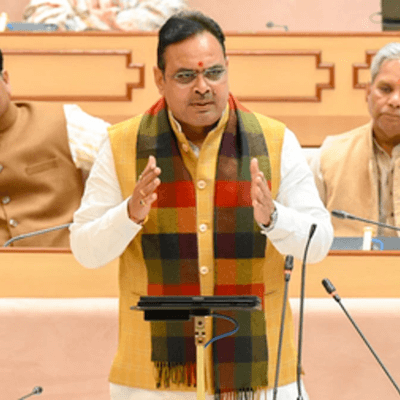
Khejri Bachao Andolan calls off protest after govt announces tree protection law
Since February 2, the Bishnoi community in Rajasthan, under the banner of Khejri Bachao Andolan, had been on an indefinite sit-in protest against the cutting of Khejri trees. The protest was called off on February 13 after the Bhajan Lal Sharma-led government declared a complete ban on the felling of these trees across the state until a tree protection law comes into action, reports The New Indian Express. “Chief Minister Bhajanlal Sharma declared on the floor of the House that the government will enact the Kejri Protection Act soon. Now, we have issued orders to all District Collectors and Divisional Commissioners across the State to take appropriate action against the people found involved in the felling activities,” said state minister KK Bishnoi to the media. The Khejri is Rajasthan’s state tree and also considered a symbol of faith for the Bishnoi community.

Trump revokes key climate finding that tied GHG to climate change
The Trump administration, on February 13, dismantled the federal government’s core legal basis for tackling climate change by revoking a 15-year- old finding that greenhouse gases pose a threat to public health and welfare, reports The Independent. The President made the announcement alongside Environmental Protection Agency administrator Lee Zeldin, describing the finding as harmful policy from the Obama years that hurt the American auto industry and pushed up costs for consumers. He noted that rescinding this will remove more than $1.3 trillion in regulatory burdens and reduce car prices. “This determination had no basis in fact, had none whatsoever, and no basis in law. On the contrary, over the generations, fossil fuels have saved millions of lives and lifted billions of people out of poverty and all over the world,” said Trump.
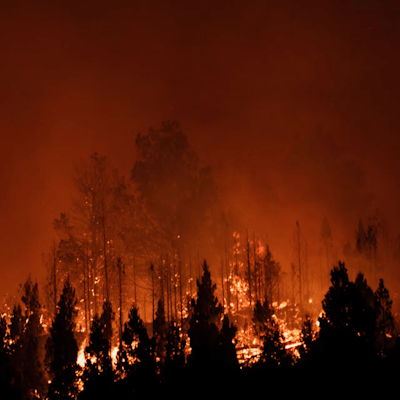
Southern Hemisphere battles record heatwaves and wildfires
Record heat and raging wildfires are sweeping across the Southern Hemisphere at the start of 2026 with Argentina, Australia and South Africa already under its clutches, reports Reuters. Scientists warn that even more extreme temperatures could follow. In January, a record setting heat dome covered Australia and pushed temperatures close to 50 degrees Celsius. Catastrophic forest fires started in January in Argentina’s Patagonia, which are still ablaze, have killed at least 20 people, and destroyed the world’s oldest trees. South Africa too is facing its worst wildfires in years. Climate scientist Theodore Keeping of Imperial College London, who studies wildfires and extreme heat says that human driven climate change is now overpowering natural climate variability.

ICE plans $38.3 billion expansion of detention centres for deportation
The U.S Immigration and Customs Enforcement intends to spend $38.3 billion by the end of the year to expand detention capacity for tens of thousands of immigrants marked for deportation, reports Reuters. ICE is slated to purchase 16 existing buildings and refurbish them into regional processing centres which will hold 1,000-1,500 detainees. The agency also plans to establish eight large detention centres with a capacity for 7,000-10,000 detainees each. The funding for these centres will come from the sweeping spending package approved by the Republican controlled Congress in July 2025, allocating a record $170 billion for immigration enforcement. The budget for immigration detention in the year 2024, stood at $3.4 billion.
February 6, 2026
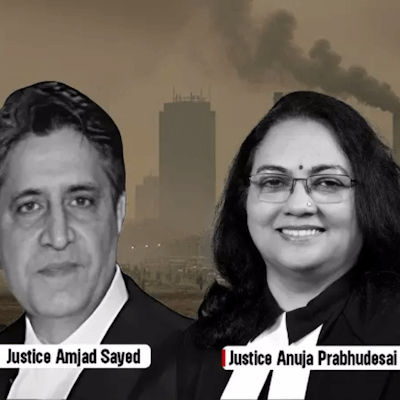
Bombay High Court appoints retired Justices to monitor air pollution
The Bombay High Court recently constituted a High Power committee (HPC) comprising retired Justice Amjad Sayed and retired Justice Anuja Prabhudesai to recommend immediate, medium-term and long-term measures to combat and prevent air pollution in Mumbai and the MMR region, reports Live Law.in. The Brihanmumbai Municipal Corporation (BMC) and the Maharashtra Pollution Control Board (MPCB) have failed to contain the rising levels of air pollution in Mumbai, observed the court. The judges said that the civic chiefs are under a duty to identify the erring officers responsible for any lapses on their part in implementation of the guidelines. The HPC may also suggest additional measures to ensure effective compliance and reduction of pollution, the judges said. It noted that the civic bodies failed to place on record any complaints received on the website or mobile App or through helpline and its operational status.

Pollution control funds slashed in India’s Union Budget
In the Union Budget 2026-2027, the Centre has allocated Rs1,091 crore for pollution control which is Rs 209 crore lower than the revised estimates of Rs 1,300 crore in 2025-26, reports The Times of India. The allocation funds pollution control boards, committees, and the National Clean Air Programme (NCAP), India’s flagship initiative to reduce particulate pollution in non-attainment cities. The lower allocation, especially at a time cities are grappling with very poor air quality, has triggered sharp criticism. Environmental experts said the absence of a targeted approach for regions facing the worst pollution was a major gap. As Sunil Dahiya of Envirocatalyst pointed out, the budget failed to address the regional nature of the crisis. “There is no dedicated allocation for Delhi-NCR or north India even as air pollution remains a recurring health emergency.”

Patna Bird Sanctuary, Chhari-Dhand in India now Ramsar sites
India adds Patna Bird Sanctuary and Chhari-Dhand to the Ramsar list, taking its total to 98 sites and reinforcing a growing national push to protect critical wetland ecosystems, reports The Times of India. Located in the Jalesar subdivision of Etah district, the Patna Bird Sanctuary is one of the smallest bird sanctuaries in Uttar Pradesh. With over 178 bird species and 252 plant species recorded, the site makes for a critical refuge on the Central Asian Flyway. Designated as an Important Bird and Biodiversity Area by BirdLife International, it is the only Conservation Reserve in Gujarat. Chhari-Dhand in Kutch presents a contrasting scenario. It is a seasonal saltwater wetland that expands significantly during the monsoon, measuring approximately 80 square kilometres. The state with the highest number of Ramsar sites in the country is Tamil Nadu.
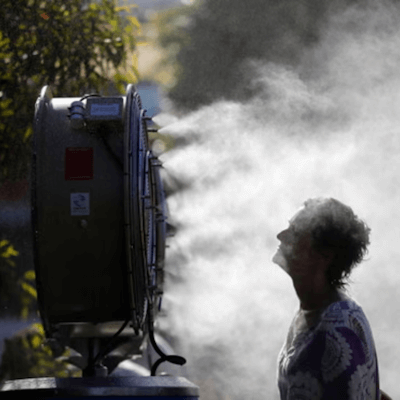
Australia experiences worst heatwave on record
When the opal mining town of Andamooka (population 262) in the far north of South Australia reached 50 degrees Celsius on January 29, it was only the eighth time in recorded history anywhere in Australia, reports The Guardian. It was also the highest temperature recorded so far in what meteorologists have dubbed a “dome of heat” that began with exceptional temperatures in the west and moved into south-eastern Australia, where it still lingers. In Australia’s alps, where an average January day might be expected to reach 18 degrees Celsius, temperatures climbed above 30 degrees Celsius for the first time. On January 26 in Adelaide, the mercury hit 44.7 degrees Celsius – the city’s hottest day since 2019 – and people sweated through their hottest night since records began. Hotter-than-average days and nights are likely to continue into autumn, according to the latest forecast.
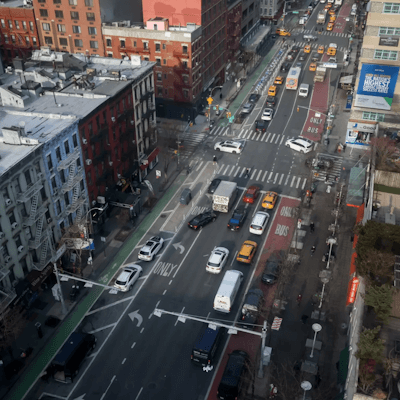
Congestion pricing in Manhattan eases traffic in suburban areas
A new National Bureau of Economic Research working paper, analysed anonymised Google Maps trips from September 2024 to June 2025, encompassing the months before and after congestion pricing’s launch in Manhattan, reports Bloomberg. Congestion pricing which began in January 2025 shows that Manhattan’s streets are flowing faster, with taxis and buses reporting quicker trips inside the congestion relief zone. A group led by Yale economist Cody Cook, Stanford economist Shoshana Vasserman, and Google researcher Aboudy Kreidieh used detailed trip data from Google to reach their conclusions, which offer lessons not just for New Yorkers but also for those hoping to introduce congestion pricing elsewhere. Because traffic thinned, those still driving into Manhattan saved roughly 83,000 hours per week, averaging around three minutes per journey, according to the paper.

US tenant hotlines see a wave of residents seeking help
HOME Line, a hotline for tenants in Minnesota, has so far received more than 60 calls specifically referencing immigration enforcement, said co-executive director Eric Hauge. He said he expects that number to climb, reports MPR News. Though a majority are dialled from the Twin Cities counties, HOME Line has received these calls from all over the state. Most are from families with children at home. Data shared by HOME Line shows the number one inquiry from those callers is about financial aid due to the loss of income, either because the caller fears going to work because of ICE, or because the caller relies on the income of someone taken by ICE. Similar trends have emerged from other hotlines, showing the looming crisis. More than 60 local groups have signed onto a letter calling for the governor to declare a state of emergency and enact an eviction moratorium, paired with rental assistance.
January 23, 2026
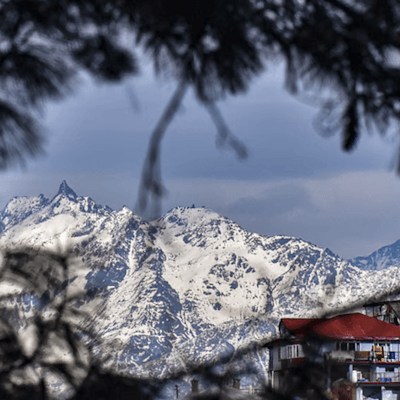
Climate change reason for ‘snow drought’ in Himachal
There was no significant snowfall this season in the high-altitude regions of Lahaul-Spiti and Kinnaur, reports The New Indian Express. The total snowfall area in the four river basins of Chenab, Beas, Ravi and Satluj reduced to 17,437.4 square kilometres in 2023-24, states a report by Himachal Pradesh State Centre on Climate Change. Environmentalist Guman Singh, coordinator of the Himalaya Niti Abhiyan, said that this phenomenon is now known as ‘Snow Drought’ and is mainly the result of climate change and global warming. “Rising winter temperatures, altered precipitation patterns, and an increase in the frequency of extreme weather events, are all effects of climate change, which may be responsible for this decline,” it elaborates. In the past two decades, there has been a steep decline in average snowfall in Shimla and Manali. Neither of the tourists’ destinations has received any snowfall so far this winter.
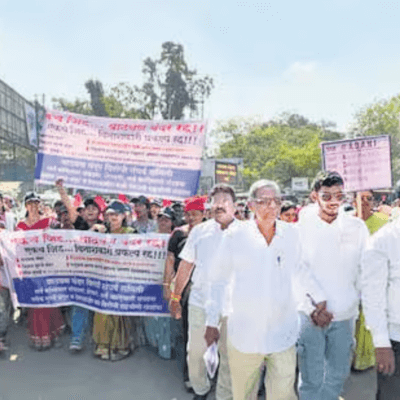
Vadhavan Port project will impact rights and livelihoods of 20,000 people
Fishing unions, farmers’ groups, and residents of Dahanu in Maharashtra have opposed the Vadhavan Port plan, for which around 571 hectares will be acquired to connect the port with road and railway connectivity, leading to the loss of agricultural land, forests and villages. Hindustan Times reports that Vadhavan Port, proposed 6.5 kilometres into the Arabian Sea off the Dahanu coast, involves reclamation of nearly 4,000 acres, a 10.5-km-long breakwater, and a restricted fishing zone where no fishing activity will be allowed up to 12 km. Claiming this would affect 20,000 people, locals and others marched four kilometres, on January 18, to the Palghar district collector’s office. “This coast has a unique rocky seabed that acts as a breeding ground. Once reclamation and breakwaters come up, the sea current will change and fishing will collapse,” said Narayan Patil, president of the Vadhavan Bandar Virodhi Sangharsh Samiti.
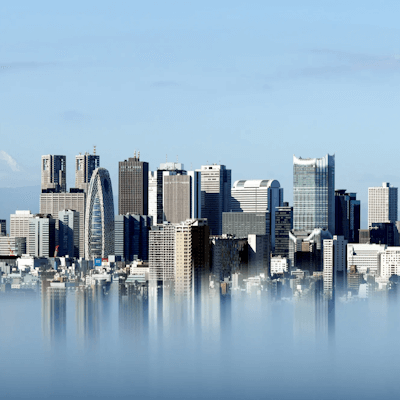
‘Massive projects in Tokyo destroying the city’s heart’
Award-winning architect Riken Yamamoto says massive projects in Tokyo are “destroying the heart” of the city. Bloomberg reports that Tokyo has long existed in a state of flux, with older buildings routinely razed in favour of modernised, earthquake-resilient structures, and recent years have seen the springing of sculptural glass-and-steel buildings with boutiques, offices and luxury condominiums throughout the city. “This is like a colony by rich people, ‘neoliberalism’ people,” said Yamamoto, recipient of the 2024 Pritzker Prize — often called the Nobel Prize of architecture, “What is being built is completely unusable by people in the community.” High-rise condominiums – called “tower mansions” – proliferated as a solution to the growing concentration of people. Yamamoto acknowledged that Tokyo would need to rebuild itself but objected to the makeover of the historic Tsukiji fish market, saying it “destroyed the heart, the very core place of Tokyo.”
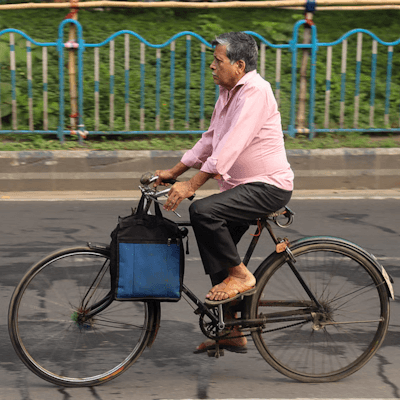
Cycling can cut pollution in Global South but with policy support: Study
Research across India, Bangladesh and Ghana shows bicycles remain essential for low-income workers, but urban planning continues to prioritise cars, reports Down To Earth. Published in Nature Cities, the research examined bicycling in Delhi and Chennai in India, Dhaka in Bangladesh and Accra in Ghana – cities expanding rapidly with dense and mixed traffic, flat terrain, and climates marked by extreme heat, heavy rainfall and seasonal flooding. These reflect conditions across much of the low- and middle-income world, where transport emissions and air pollution are rising sharply. Bicycling remains largely invisible in policy, the researchers found. Planning documents assume that hardly anyone cycles and mention bicycles mainly in relation to recreation or beautification projects. “Additionally, the responsibility of bicycling infrastructure is spread among many different agencies,” the researchers wrote in a press statement.

Global water bankruptcy harming billions of people: Report
According to a UN report, the overuse and pollution of water must be tackled urgently as no one knows when the whole system might collapse, reports The Guardian. All life depends on water. The report found many societies had long been using water faster than it could be replenished annually in rivers and soils, as well as over-exploiting or destroying long-term stores of water in aquifers and wetlands, which had led to water bankruptcy with many human water systems past the point at which they could be restored to former levels. The climate crisis was exacerbating the problem by melting glaciers, which store water. Prof Kaveh Madani, who was the lead on the report, said while not every basin and country was water bankrupt, the world was interconnected by trade and migration, and enough critical systems had crossed this threshold to fundamentally alter global water risk. Conflicts over water had risen sharply since 2010, the report added.
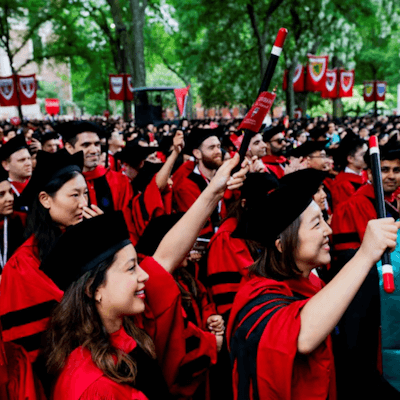
Now is the time for U.S. universities to step up on climate leadership
In a comment published by Reuters, Lou Leonard, well-known climate scholar and presently Dean, School of Climate, Environment, and Society at Clark University in Massachusetts, makes a plea for colleges to double down on climate education and leadership as President Donald Trump abruptly withdrew the United States from more than 60 international collaboration frameworks including the United Nations Framework Convention on Climate Change (UNFCCC) and the Intergovernmental Panel on Climate Change (IPCC). “The second Trump administration has succeeded in systematically dismantling federal policy and scientific infrastructure related to climate change: language scrubbed from government websites, funding and facilities for research curtailed, and regulatory efforts deeply unwound…But outside of the Washington bubble, support for climate action, renewable energy, greening communities, clean air/water, and preparation for extreme weather is strong and non-partisan. This is particularly true for a constituency that universities pay attention to most: youth,” he notes.
January 9, 2026
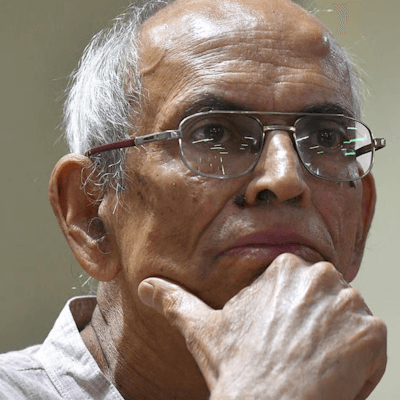
Champion of the Western Ghats, Madhav Gadgil, passes away
Noted ecologist Madhav Gadgil, renowned for his work on the Western Ghats, among other achievements, passed away in Pune on January 7 after a brief illness, reports The Times of India. One of Gadgil’s most widely-known and quoted works is his report submitted to the government as head of the Western Ghats Ecology Expert Panel in 2011. Before that, he founded the Centre for Ecological Sciences at the Indian Institute of Sciences, Bengaluru. In 2024, the United Nations Environment Programme awarded him the Champions of the Earth award under the ‘Lifetime Achievement’ category. “The government has surplus ways of justifying its actions, mainly the need for resources and development,” Gadgil told Down To Earth, expressing disappointment at the mining of rocks and its environmental devastation, “The Aravalli mining precedent will be used a blueprint for other parts of the country, and its evidence will come forth,”
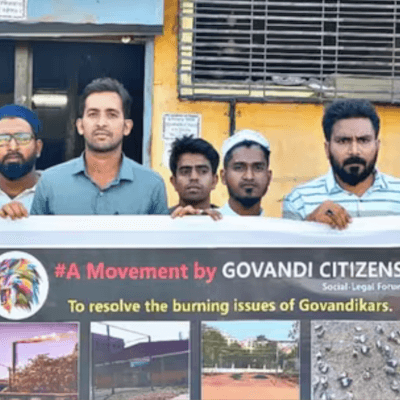
Pollution issue central to citizens’ charter for Mumbai civic polls
In the run-up to the municipal elections in Mumbai, held after a delay for four years, citizens’ groups prepared a charter of demands, reports the Hindustan Times. In Malabar Hill’s D ward, residents framed their manifesto around environmental protection, heritage trees, pedestrian safety and unregulated redevelopment warning that unchecked construction and political apathy are pushing the area towards an ecological and public health crisis. Residents of Chandivali, an upscale area, put out their manifesto focused on improving liveability. The Govandi citizens’ manifesto foregrounds survival issues in one of Mumbai’s most vulnerable wards: Slum redevelopment, lack of consent and opaque civic processes. The Govandi Citizens’ Charter flags chronic problems ranging from unsafe housing, water shortages and sanitation failures to air pollution from the Deonar dumping ground and poor access to public healthcare and education. Community groups say they will seek written commitments from all candidates.
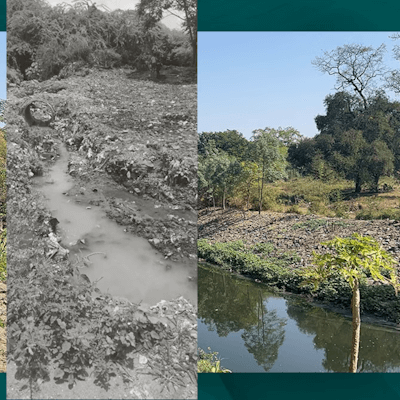
Revival of Maharashtra’s Kham river holds lesson for all urban rivers
Persistent efforts over the past few years have revived the Kham river which flows through the historic city of ‘Aurangabad’, now known as Chhatrapati Sambhajinagar, reports The Print. Kham was a river forgotten with its banks served as dumping grounds, and its waters were blackened by sewage and waste, even as the city around it drew tourists to UNESCO World Heritage Sites Ajanta and Ellora Caves. Kham’s revival began in 2016 when the Confederation of Indian Industry (CII), a local company Varroc Engineering, and the Cantonment Board identified a highly polluted stretch near a historical bridge. Armed with data, the city’s municipal corporation and all the stakeholders developed a phased five-year plan to revive the river. The Kham River Restoration Mission won the $100,000 St. Andrews prize for Environment last year – not only for reviving the river but also helping transform people’s attitude to it.
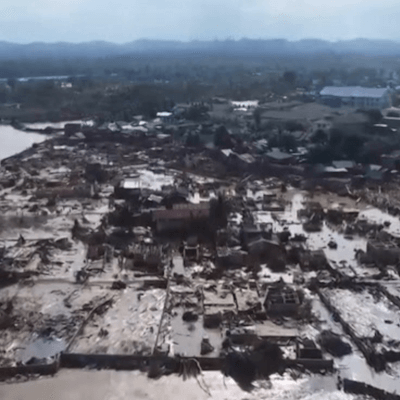
Climate disasters cost more than $120 billion in 2025 but not all counted
The review of extreme weather events shows that Asia accounted for four of the six most expensive climate disasters of 2025, reports the Independent. The analysis, carried out by charity Christian Aid, identified 10 climate-related disasters that each caused more than $1billion in damage, with combined losses exceeding $122 billion (£96bn). Most figures are based on insured losses, which tend to be highest in wealthier countries with high property values and more widespread insurance coverage. Many of the deadliest disasters elsewhere did not feature among the costliest events because financial losses were not insured. In many poorer countries, disasters with severe human consequences did not appear in global cost rankings at all. Flooding in Nigeria and the Democratic Republic of Congo killed hundreds of people, while a prolonged drought across Iran and West Asia has left up to 10 million people in Tehran facing the prospect of evacuation because of water shortages.
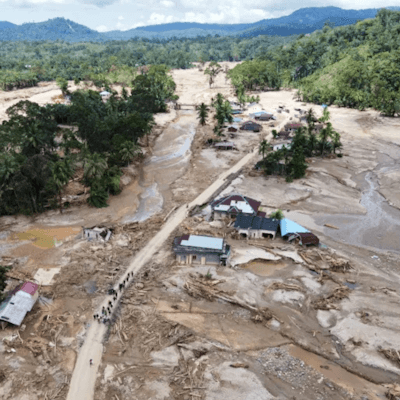
Tackling world’s foremost climate hazard: Flooding
In 2025, floods ravaged Southeast Asia, North America and the Middle East and were worsened by a variety of factors, states a report in Al Jazeera. “Flooding is a complex hazard. It occurs because of interactions between many variables related to weather, infrastructure, land cover and topography and other factors,” said Nasir Gharaibeh, a civil and environmental engineering professor at Texas A&M University. Climate change is a major factor in causing weather events, researchers say. “The specific triggers varied from city to city in 2025, yet a single, universal force magnified them all: Climate change which supercharges rainfall extremes,” said Pawan Bhattarai, assistant professor at the civil engineering department of Nepal’s Kathmandu-based Tribhuvan University. “Don’t try to fight floods; learn to live with them. Don’t try to control and restrict river flows, give rivers room to flow,” advised Ayyoob Sharifi, a professor and urban scientist at Hiroshima University in Japan.

New York City mayor pledges to improve lives of New Yorkers
As Zohran Mamdani took oath on January 1 as the New York City mayor, he acknowledged the task ahead, reports Associated Press. He will have to face the everyday responsibilities of running America’s largest city: Handling trash and snow and rats, while getting blamed for subway delays and potholes. Mamdani and other speakers hit on the theme that carried him to victory in the election – using government power to lift up the millions of people who struggle with the city’s high cost of living. “To those who insist that the era of big government is over, hear me when I say this: No longer will City Hall hesitate to use its power to improve New Yorkers’ lives,” he said. Later, he visited an apartment building in Brooklyn to announce he is revitalising a city office dedicated to protecting tenants and creating two task forces focused on housing construction.
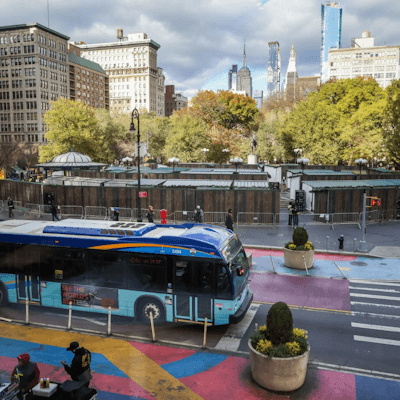
Mayor Mamdani’s promise reflects essential role of buses in the US
The rising tide in voter enthusiasm for Zohran Mamdani may reflect a little-understood reality about just how essential buses are to most cities’ transportation systems, reports Bloomberg. Local buses provided 10.6 million trips across the US on the average day in 2024, according to the American Public Transportation Association, which is more than four times the number of people who fly in the US every day. Even in NYC, the subway hogs all the glory but the bus is the workhorse of the public transit system. About 1.1 million rides are taken every day on NYC buses. It’s the equivalent to the entire population of Boston commuting to and from work every day on the bus. If Mamdani achieves nothing else, he will have helped elevate the profile of these humble vehicles and demonstrated that they carry a powerful political message, especially when juxtaposed to the kind of “innovative” technologies politicians love to tout, from self-driving cars to flying taxis.