How is India mainstreaming gender in Climate Change adaptation?
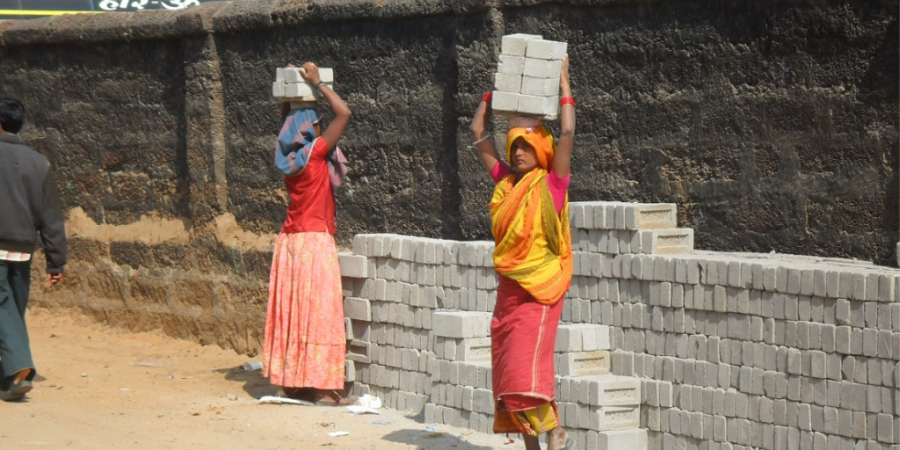
Women are often portrayed as victims of Climate Change, or as ‘most vulnerable’ while failing to recognise other realities. Women’s contribution to household-adaptive capacities and intra-household decision-making, often cooperative than combative, is lost. This oversight erases the substantive evidence on how women determine food, nutritional security and family well-being while adapting to climate events. The deep vulnerability of men belonging to poor, marginalised backgrounds is also erased in these homogenising narratives. India’s State Action Plans on Climate Change equate gender with women, mostly discussing them as a homogenous category and ignoring non-binary genders. Climate Change research needs to draw on decades of gender studies to move from being gender-blind to increasingly calling for gender-transformative climate action.
